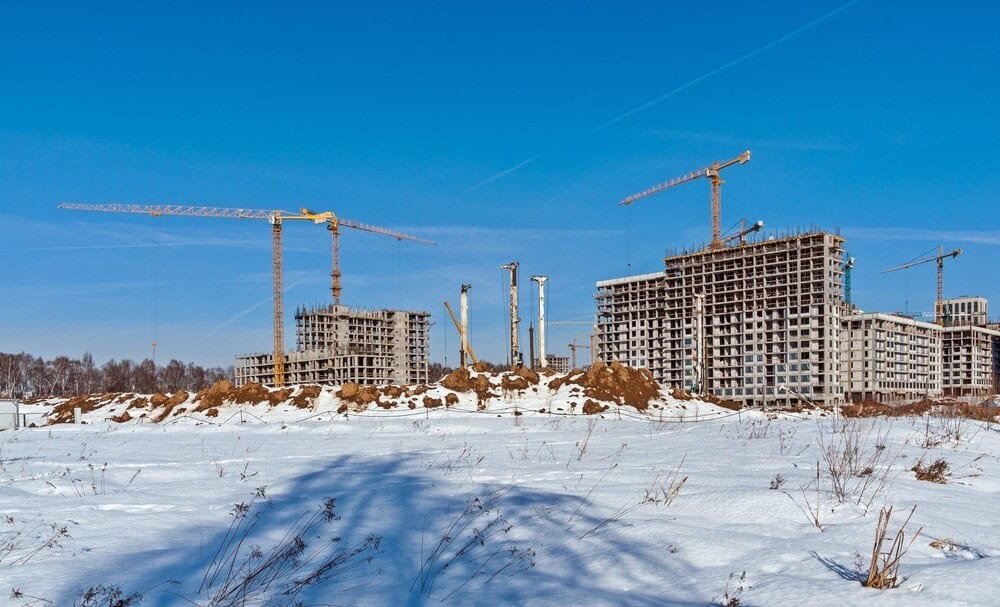
A clear morning can fool an entire job site. One hour later, rain hits the steel, wind shakes the scaffolding, and the ground turns slick enough to send a worker down hard. Construction work depends on timing, balance, and safe conditions, so weather can change everything fast.
For this reason, construction accidents caused by weather often lead to harder legal fights than people expect. The injury may be obvious, yet blame becomes cloudy the moment bad weather enters the story. If you feel stuck in that confusion, there are ways to sort it out.
Weather Can Turn a Safe Site Into a Dangerous One
Construction sites already carry risk because workers deal with heights, machinery, heavy materials, and moving vehicles. Add harsh weather, and ordinary tasks can become dangerous in minutes.
Rain creates slippery ladders, wet walkways, and muddy ground that weakens footing. Strong winds can move loose materials, shake platforms, and affect crane operations. Heat can drain focus, slow reaction time, and cause exhaustion. Cold weather can stiffen hands and make tools harder to control.
Storms also reduce visibility. A worker who cannot clearly see signals, edges, or moving equipment faces danger before realizing it. Even a small weather shift can create a chain reaction across the entire site.
Liability Is Rarely Simple in These Cases
Many people assume that the weather excuses everyone from responsibility. That is not always true. Bad weather may be natural, but unsafe decisions during bad weather are still human choices.
An employer may face questions about whether work should have paused. A contractor may be examined for failing to secure materials or inspect surfaces. A property owner may be challenged for allowing dangerous conditions to remain. Equipment makers may also be involved if safety systems failed under normal expected weather conditions.
These claims often become layered because several companies can operate on one site. Each side may point at the other while the injured worker waits. That delay can become one of the biggest obstacles in receiving fair payment.
Common Challenges Injured Workers Face
The hardest part of these cases is often proving exactly what happened and who failed to act responsibly.
Missing Evidence
The weather can erase proof quickly. Rain washes away marks, wind moves debris, and crews may clean the area before photos are taken.
Delayed Reports
Some injuries seem minor at first, especially strains or head trauma. Later pain can become serious, but late reports may trigger doubt from insurers.
Shared Fault Arguments
A worker may be accused of taking risks or ignoring conditions. These arguments are common even where site pressure made the task hard to refuse.
Pressure to file a construction injury claim quickly
Deadlines do not slow down because someone is injured. Notices, forms, and records may need attention while recovery is still underway.
Compensation Often Covers More Than Medical Bills
Many injured workers think payment only relates to emergency treatment. In reality, losses can stretch much further.
Medical care may include surgery, therapy, medication, and follow-up visits. Lost wages matter if time away from work continues for weeks or months. Some injuries reduce future earning power, especially where physical labor was the main career path.
Pain also affects normal life. Sleep problems, reduced movement, and daily limits can change routines in ways that bills do not fully show. Fair compensation should reflect the full impact, not only the first hospital invoice.
That is why strong case preparation matters while filing a construction injury claim. Without it, real losses can be overlooked or minimized.
Records That Strengthen the Case
Good records often decide whether a claim feels strong or weak. Clear details make it harder for others to deny what happened.
Helpful evidence may include:
- Incident reports should be made soon after the accident.
- Photos of surfaces, tools, scaffolding, or debris.
- Witness statements from coworkers nearby.
- Safety meeting logs and inspection notes.
- Weather alerts, forecasts, or warning notices.
- Medical records linking injuries to the event.
Even small details can carry weight later. A single photo or written complaint may reveal that danger was known before the accident happened.
Conclusion
No worker should carry the cost of preventable danger simply because the sky changed. Weather may be part of the story, but it should never hide poor planning, ignored warnings, or unsafe job site choices.
These claims can be difficult, but difficult does not mean impossible. Facts, timing, and careful documentation often make the difference between denial and recovery. For many injured workers, understanding the legal side of construction accidents caused by weather is the first real step toward fair compensation.