The Math of Misconduct
The Mechanics of Comparative Negligence
Comparative negligence is a legal principle used to allocate fault among all parties involved in car accident cases. Most states follow one of two variations:
- Pure Comparative Negligence: You can recover damages even if you are 99% at fault, though your award is reduced by that 99%.
- Modified Comparative Negligence: You can only recover if you are less than 50% (or 51%, depending on the state) at fault. If you cross that threshold, you receive nothing.
Speeding: The Ultimate Devaluation Tool
Speeding is the most common traffic violation used to trigger comparative negligence. Even if the other driver pulled out in front of you, the defense will argue that had you been traveling at the posted speed limit, you would have had more time to react, brake, or swerve.
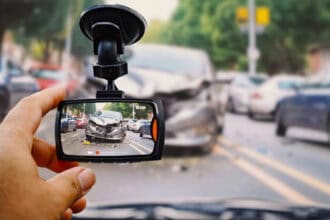
In 2026, proving speed has moved beyond skid marks. Defense teams now utilize Event Data Recorders (EDRs) and GPS telematics from your own vehicle or smartphone to pinpoint your exact velocity at the moment of impact. If you were traveling 10 mph over the limit, a jury might find you 20% responsible for the severity of the crash, resulting in a 20% reduction in your total compensation.
Negligence Per Se:
In many jurisdictions, violating a safety statute—like running a red light or speeding—is considered Negligence Per Se. This means the court automatically presumes you were negligent because you broke the law. The only remaining question for the jury is how much that negligence contributed to the specific accident.
Common Violations That Shift Blame
Beyond speeding, several other common traffic infractions are frequently used to shift the burden of fault back onto the plaintiff:
- Failure to Signal: If you were hit while changing lanes but didn’t use your blinker, the defense will argue they couldn’t anticipate your movement.
- Illegal Turns: Making a turn where a “No Left Turn” sign is posted, even if the other driver was distracted, will lead to a heavy fault allocation.
- Equipment Violations: Driving with a burnt-out headlight or brake light at night can make you partially responsible for being hit from behind.
- Right-of-Way Disputes: Rolling through a “California Stop” at a stop sign often results in shared liability, even if the other driver was also speeding.
The Role of the Police Report
While a police report is not always admissible as evidence in a civil trial, it carries immense weight during insurance negotiations. If the responding officer issues you a citation for a traffic violation at the scene, the insurance company will almost certainly use that as a “hook” to assign you a percentage of fault. In 2026, challenging a traffic citation in court is often a prerequisite for a successful personal injury claim, as a “guilty” plea to the ticket can be used as an admission of negligence in your civil case.
Strategic Defense: Distinguishing Cause from Occurrence
A key legal strategy in 2026 involves distinguishing between what caused the accident and what contributed to the injuries. For example, if you weren’t wearing a seatbelt (a violation in most states), that didn’t “cause” the other driver to hit you. However, it may have significantly increased the severity of your injuries. Under comparative negligence rules, this “seatbelt defense” can still lead to a reduction in damages, even if the other driver was entirely responsible for the collision itself.
Conclusion: Navigating Shared Responsibility
In conclusion, your conduct behind the wheel is under a microscope the moment you file a claim. Speeding and traffic violations are not just minor inconveniences; they are mathematical factors that can strip thousands of dollars from your recovery.
As we navigate the road safety standards of 2026, the proliferation of data makes it nearly impossible to hide minor infractions. For victims, the goal is to work with legal counsel to demonstrate that while a technical violation may have occurred, the proximate cause of the accident remained the other driver’s actions. Ultimately, the law seeks to balance the scales of justice, but that balance depends heavily on your ability to prove that your own mistakes were not the deciding factor in the crash.