Chuckwalla National Monument Lawsuit: 2026 Court Ruling Grants Tribal and Environmental Intervention
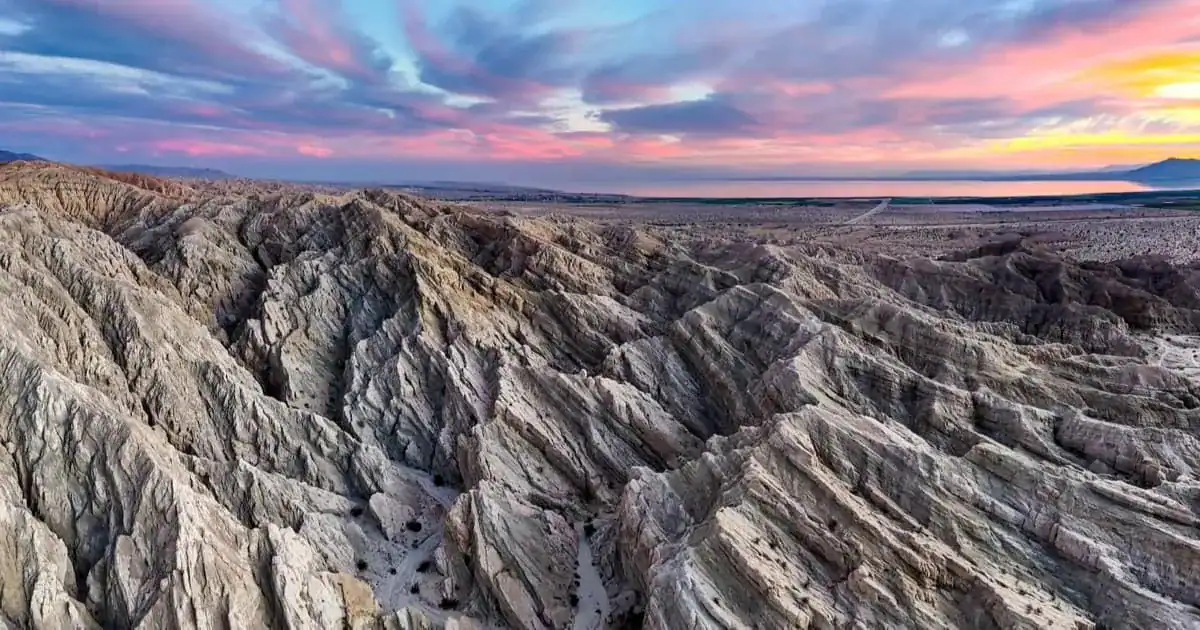
The desert landscape of Southern California has become the frontline of a national debate over executive power and public land preservation. As of March 17, 2026, the Chuckwalla National Monument lawsuit (Torongo v. Burgum) has entered a critical new phase following a major procedural ruling in federal court. On March 3, 2026, a U.S. District Judge in the Eastern District of Michigan granted motions for five Tribal Nations and nine environmental organizations to formally intervene in the case. This decision ensures that the voices of the landscape’s original stewards and conservation experts will be heard alongside the federal government as they defend the 624,000-acre monument against claims that its 2025 designation was an “unconstitutional land grab.”
The Origins of the Lawsuit: Mining and Motorized Access
The Chuckwalla National Monument lawsuit was filed on May 1, 2025, just months after President Biden used the Antiquities Act of 1906 to establish the monument. The plaintiffs—Daniel Torongo, a Michigan resident with amateur mining claims in the Chuckwalla Mountains, and the BlueRibbon Coalition, a motorized recreation group—allege that the designation exceeds presidential authority. Represented by the Texas Public Policy Foundation and Mountain States Legal Foundation, the plaintiffs argue that the monument is too large to meet the “smallest area compatible” requirement of the Act and that it unconstitutionally “stole” mineral rights and restricted off-road access.
This challenge to “geographic scale” is a recurring theme in 2026 legal battles. It mirrors the Paramount Trump lawsuit, where the scope of authority and “narrative control” were at the heart of the dispute. In the Chuckwalla case, the plaintiffs seek to prove that the Antiquities Act was intended only for small, discrete sites—like a single ruin—rather than vast ecosystems.
The 2026 Intervention: A Unified Defense
The recent March 2026 ruling is a significant blow to the plaintiffs’ attempt to limit the case to a narrow administrative review. By allowing the Torres Martinez Desert Cahuilla Indians, the Fort Yuma Quechan Indian Tribe, and others to intervene, the court acknowledged that Tribal Nations have unique spiritual and historical interests that the federal government alone cannot represent. The nine intervening nonprofits, including the Center for Biological Diversity and Sierra Club, will provide expert testimony on the monument’s role in protecting the endangered Mojave desert tortoise and maintaining the “Moab to Mojave” habitat corridor.
This “intervention of necessity” is similar to the Disney Inspire DAS lawsuit, where external advocacy groups have stepped in to ensure that specific marginalized voices—whether disabled guests or Indigenous tribes—are not sidelined during corporate or federal litigation.
The “Smallest Area Compatible” Argument
At the heart of the Chuckwalla National Monument lawsuit is the interpretation of the Antiquities Act’s language. The plaintiffs argue that 624,000 acres cannot possibly be the “smallest area” needed to protect desert objects. However, the defense argues that the “objects” of interest are not just individual rocks, but the cultural landscape itself—an interconnected web of sacred sites, migration routes, and rare plants. This argument for “landscape-level” protection has been upheld by courts for over a century, including the 1920 Supreme Court decision regarding the Grand Canyon.
This tension between “individual objects” and “systemic value” is also found in the AI copyright lawsuit news of 2026, where courts are deciding if individual pieces of data or the entire “training set” ecosystem should be the focus of the law. In Chuckwalla, the court’s decision will determine if the “ecosystem” is a valid object of protection under federal law.
Timeline of the Chuckwalla Legal Battle:
- January 14, 2025: President Biden designates Chuckwalla National Monument.
- May 1, 2025: Daniel Torongo and BlueRibbon Coalition file suit in Michigan federal court.
- August 2025: Five Tribal Nations and nine conservation groups file motions to intervene.
- January 2026: The Trump administration’s DOJ releases a memo suggesting monuments can be revoked or reduced.
- March 3, 2026: The Court grants all motions to intervene, significantly expanding the defense team.
2026 Economic Impact and Public Sentiment
While the Chuckwalla National Monument lawsuit proceeds, local data suggests the monument is already serving as an “economic engine” for the Coachella and Imperial Valleys. A March 2026 analysis noted that counties with national monuments have seen a 23% increase in real per capita income over the last two decades. Supporters argue that the lawsuit ignores these benefits, as well as the 300+ local businesses that endorsed the designation. This “community-led” success story stands in contrast to the Virginia felon voting ban lawsuit, where legal battles are fighting to overturn policies that local leaders argue have held their communities back for generations.
Conclusion: A Test Case for Public Lands
In conclusion, the Chuckwalla National Monument lawsuit of 2026 is much more than a dispute over desert acreage; it is a test case for the future of the American Antiquities Act. If the plaintiffs succeed, it could strip the presidency of its most powerful conservation tool and open millions of acres of protected land to mining and development. However, with Tribal Nations and conservation groups now formally involved in the defense, the “spirit of Chuckwalla” has a formidable legal shield. As the case moves toward a potential summary judgment in late 2026, the eyes of the nation remain on this California desert to see if “reverence for the land” will hold up in a court of law.