Rose Bowl UCLA Lawsuit 2026: Why the Bruins are Staying in Pasadena (For Now)
In the high-stakes world of collegiate athletics, few venues carry the prestige and historical weight of the Rose Bowl. However, that history was tested in late 2025 when the City of Pasadena and the Rose Bowl Operating Company (RBOC) filed a massive breach-of-contract lawsuit against the University of California, Los Angeles (UCLA). As of March 2026, the Rose Bowl UCLA lawsuit has become a defining legal battle over stadium leases, taxpayer investments, and the shifting landscape of the Big Ten conference. For those following the integrated design and construction of modern sports venues, this case highlights the immense difficulty of breaking a long-term municipal agreement.
The core of the dispute centers on allegations that UCLA attempted to “abandon” its home of 40 years in favor of a move to SoFi Stadium in Inglewood. This article explores the 2026 court rulings, the financial stakes for Pasadena, and what the future holds for UCLA football.
The 2026 Arbitration Defeat for UCLA
A major turning point in the Rose Bowl lawsuit occurred in February 2026. UCLA and the University of California Regents filed a motion to compel arbitration, hoping to move the dispute out of public court and into private mediation. However, Los Angeles Superior Court Judge Joseph Lipner denied the motion, ruling that the arbitration clause in the 2010 lease was “exceedingly narrow.”
Why the Judge Rejected Arbitration
The court found that the lease agreement only required arbitration for minor “defects or deficiencies” in the stadium’s physical condition—not for a wholesale “anticipatory repudiation” of the entire contract. This ruling was a massive victory for the City of Pasadena, allowing the case to proceed toward a public trial. Much like the procedural complexities seen in a Schedule One lawsuit, the specific wording of the contract’s “Alternative Dispute Resolution” (ADR) section proved to be the decisive factor.
The Billion-Dollar Threat to Pasadena Taxpayers
Pasadena officials have been vocal about the catastrophic financial impact a UCLA departure would cause. The lawsuit alleges that the city has invested over $150 million in stadium renovations and recently refinanced $130 million in bonds specifically to maintain the Rose Bowl as a premier venue for the Bruins. If UCLA were to leave before the lease expires in 2044, the city contends that damages to the local economy and property values could exceed $1 billion.
This is not merely about ticket sales; it is about the “prestige” and regional economic engine that college football provides to Pasadena small businesses. Attorneys for the city argue that monetary damages are “inadequate” to compensate for the loss of a 43-year partnership, which is why they are seeking a court order to force UCLA to play at the Rose Bowl for the next two decades.
SoFi Stadium: The Allure of Modern Luxury
Why would UCLA want to leave the “Granddaddy of Them All”? The answer lies in the shifting economics of the Big Ten. SoFi Stadium, located only 12 miles from UCLA’s campus compared to the 26-mile trek to Pasadena, offers state-of-the-art “premium seating” profits that the university does not currently receive at the Rose Bowl. In the current era of “PayFi” and NIL deals, every dollar of suite revenue matters.
The Distance Dilemma
- Attendance Woes: UCLA’s average home attendance dropped to approximately 35,000 in the 2025 season. The athletics department argues that the distance to Pasadena is a primary deterrent for students and younger alumni.
- Recruiting Edge: Playing in the same venue as the NFL’s Rams and Chargers is seen as a powerful tool for recruiting top-tier talent in an increasingly competitive market.
However, the 2026 lawsuit has expanded to include Kroenke Sports & Entertainment (the owners of SoFi Stadium) as defendants, accusing them of “tortious interference” by enticing UCLA to break its existing legal commitments. This mirrors the corporate friction often found in automotive litigation, such as the GM 6.2L V8 L87 lawsuit, where third-party components and agreements can complicate a primary breach of contract.
The 2026 Season Commitment
To de-escalate the immediate tension, UCLA confirmed in late February 2026 that it will play the entire 2026 season at the Rose Bowl under new head coach Bob Chesney. While this announcement provides temporary stability, university officials have been careful to state that “no decision has been made” regarding the long-term future. This “stay of execution” has not stopped the legal discovery process, as the city continues to depose high-ranking university officials regarding their private discussions with SoFi Stadium executives.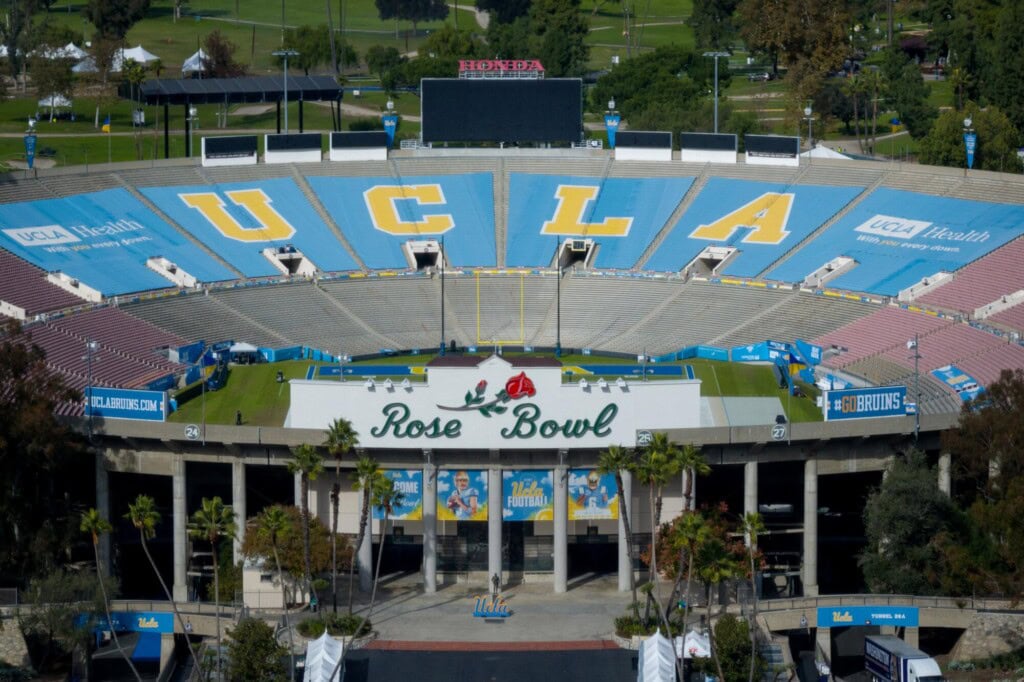
The “Trust Betrayal” and the 2044 Deadline
The emotional core of the Rose Bowl UCLA lawsuit is what Pasadena Mayor Victor Gordo calls a “profound betrayal of trust.” For the city, the Rose Bowl is not just a building; it is a National Historic Landmark that was modernized specifically to suit UCLA’s needs. The lawsuit emphasizes that the 2014 lease amendment was signed with the explicit promise that UCLA would stay until 2044 in exchange for these taxpayer-funded upgrades.
Legal experts suggest that even if UCLA eventually wins the right to leave, the “exit fee” would be astronomically high. This situation is reminiscent of the financial transparency issues raised in the Affirm class action lawsuit 2025, where hidden costs and long-term commitments often lead to explosive courtroom outcomes.
Conclusion: A Tradition at a Crossroads
The outcome of the 2026 trial will set a precedent for every major university in the country. Can a public institution trade away “tradition and trust” for the pursuit of higher profit margins in a newer facility? For now, the Rose Bowl remains the home of the Bruins, protected by a 200-page lawsuit and a judge’s refusal to let the university hide behind private arbitration. As the case moves toward the discovery of internal emails and financial projections, the sports world waits to see if one of college football’s most iconic partnerships can be saved or if it will be the next victim of the “money eclipses meaning” era.