The Nearest Green Distillery Lawsuit: A Comprehensive Guide to the 2025-2026 Legal War
The whiskey industry was rocked in late 2025 when Uncle Nearest, Inc., the parent company of the famed Nearest Green Distillery, was thrust into a high-stakes legal battle. As of March 17, 2026, the Nearest Green Distillery lawsuit has escalated into a multi-front war involving federal receivership, allegations of financial mismanagement, and a brand-new $102 million “smear campaign” countersuit against its primary lender. For those following the integrated design and construction of the massive Shelbyville distillery, these legal hurdles represent a critical turning point for the “world’s most awarded” bourbon brand.
This article provides an in-depth look at the timeline of the litigation, the role of the former CFO, and the current status of the brand’s attempt to reclaim operational control in 2026.
The 2025 Federal Receivership: How It Began
The legal firestorm ignited in July 2025 when Farm Credit Mid-America, a Kentucky-based agricultural lender, filed a federal lawsuit alleging that Uncle Nearest had defaulted on more than $108 million in loans. The lender claimed that the company had “overstated” its barrel inventory by approximately $21 million and diverted loan proceeds to unauthorized personal assets, including a luxury property in Martha’s Vineyard.
In August 2025, U.S. District Judge Charles Atchley Jr. took the drastic step of placing the company into federal receivership. This court order effectively stripped founders Fawn and Keith Weaver of day-to-day operational control, handing the keys to a court-appointed receiver, Phillip G. Young Jr. The goal of the receivership was to stabilize the company’s books and protect the assets held as collateral—a procedural move as intense as any mass-joinder Schedule One lawsuit seen in civil courts.
The “CFO Defense”: Blaming Michael Senzaki
The Weavers have consistently maintained that any financial discrepancies were the result of unauthorized actions by their former Chief Financial Officer, Michael Senzaki. In early 2026, the legal war expanded when the founders filed a separate lawsuit against Senzaki, alleging he was the “sole point of contact” for inventory reporting and had intentionally inflated numbers to hide the company’s true financial condition.
Key Allegations Against the Former CFO:
- Inventory Inflation: Falsely reporting 20,000 “missing” barrels that were actually held under common forward-financing contracts.
- Concealed Obligations: Hiding debt obligations that led to the sudden “liquidity crunch” in mid-2025.
- Stock Transaction Abuse: Misusing financial authority to damage the Weavers’ equity positions.
2026 Update: The Smear Campaign Countersuit
On March 17, 2026, the Nearest Green Distillery lawsuit took its most dramatic turn yet. Fawn Weaver and the company’s board filed a massive lawsuit in the Supreme Court of the State of New York against Farm Credit Mid-America. The complaint alleges that the lender engaged in a “calculated smear campaign” to deflect from its own failures in managing the $102 million credit facility.
Weaver argues that the bank knowingly circulated false accusations of “missing inventory” and “insolvency” despite having records that proved the company remained solvent. This legal strategy aims to hold the lender accountable for the “irreversible harm” caused to the brand’s enterprise value, which Nielsen data shows began to underperform the whiskey category by 18 points following the receivership appointment. This type of high-stakes corporate litigation mirrors the intensity seen in the GM 6.2L V8 L87 lawsuit, where transparency and corporate duty are at the center of the dispute.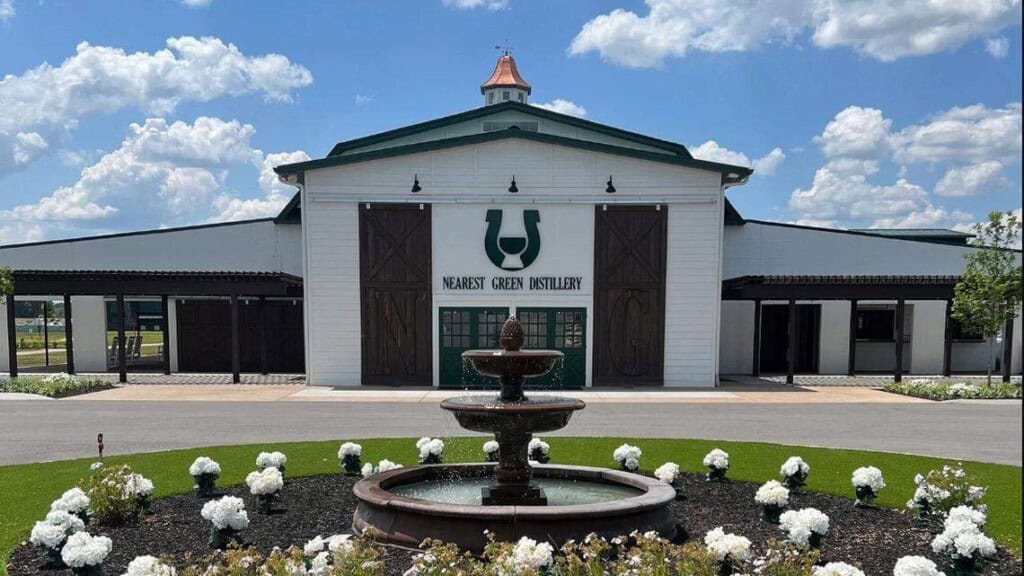
The Martha’s Vineyard Property Dispute
A central pillar of the lender’s original suit was the purchase of a $2.2 million home in Edgartown, Massachusetts. Farm Credit claimed the property was bought with diverted loan funds through an entity (UN House MV LLC) that was not part of the official loan structure. In early 2026, the receiver moved to sell this non-core asset to raise liquidity. The Weavers have fought this sale, arguing the home was intended as a “brand embassy” for marketing and that the lender had actually “acquiesced” to the purchase during a 2023 event held at the property.
Chapter 11 Filing: Ending the Receivership?
In a strategic chess move on March 17, 2026, Uncle Nearest, Inc. filed for **Chapter 11 bankruptcy protection**. Under U.S. law, a Chapter 11 filing typically triggers an “automatic stay,” which can bring a court-ordered receivership to an end and allow the company to operate as a “debtor-in-possession.” This move allows the Weavers to move their fight from the hands of a receiver into a bankruptcy court, where they can pursue their counterclaims against Farm Credit Mid-America in a more controlled forum.
What This Means for Whiskey Consumers and Investors
Despite the “legal war” at the corporate level, the Nearest Green Distillery in Shelbyville continues to welcome visitors. Fawn Weaver’s “#ClearTheShelves” campaign on social media has successfully galvanized fans to support the brand during the turmoil. However, the outcome of the 2026 litigation will determine whether the company remains an independent, founder-led entity or if it will be forced into a sale to a larger spirits conglomerate like Brown-Forman or Diageo.
Key Takeaways for 2026:
- Operational Control: The Chapter 11 filing is a bid by the founders to regain the control they lost in August 2025.
- Solvency Claims: The Weavers insist the brand is “balance-sheet solvent” and that enterprise assets are worth approximately $529 million—far exceeding the disputed $102 million debt.
- Public Perception: The smear campaign lawsuit seeks to repair the damage done to the brand’s reputation during the receivership.
Conclusion: The Future of a Legacy Brand
The Nearest Green Distillery lawsuit is a cautionary tale of rapid expansion meeting complex financial lending structures. While the brand’s mission to honor Nearest Green remains intact, the legal architecture of the company is currently being rebuilt in the courts. Whether through the 2026 Chapter 11 restructuring or the New York smear campaign suit, the goal is clear: to ensure the legacy of the first known African American master distiller survives this modern financial storm.