Applebee’s Hidden Fees Class Action Lawsuit: 2026 Trial Updates on Delivery Surcharges
The “neighborhood grill” is facing a neighborhood-sized legal battle as of March 17, 2026. While the brand is famous for its 2-for-$20 deals, a series of nationwide class actions allege that the final bill is rarely what it seems. The Applebee’s hidden fees class action lawsuit (Drake v. Applebee’s Restaurants LLC) has gained significant momentum following the implementation of California’s strict “Honest Pricing Law” (SB 478) in July 2024. As we move through the 2026 discovery phase, internal documents have reportedly revealed that Applebee’s “Service Fees” and “CA Delivery Surcharges” are added so late in the checkout process that most consumers are effectively “trapped” into paying 11% to 15% more than the menu price.
The 2025 “Drip Pricing” Allegations: Drake v. Applebee’s
In May 2025, a landmark class action was filed in California federal court, alleging that Applebee’s engages in “drip pricing”—a deceptive tactic where a low headline price is advertised, only for mandatory fees to be added incrementally. The plaintiff, Michael Drake, claims that when ordering through the Applebee’s app, he was hit with three separate charges: a standard delivery fee, a “Service Fee,” and a “CA Delivery Surcharge.”
The lawsuit argues that these fees are “carefully concealed” behind a minuscule “i” icon on the final payment screen. Specifically, the 11% Service Fee is alleged to be an arbitrary “junk fee” that does not correspond to any specific service provided to the consumer. This lack of transparency has sparked a wave of similar filings across the country, mirroring the Google lawsuit claim form 2026 cases, where tech giants are being held accountable for hidden “data usage” costs that consumers never explicitly approved.
The Impact of California’s SB 478 (Honest Pricing Law)
The Applebee’s hidden fees class action lawsuit was significantly bolstered by California’s Senate Bill 478, which took effect on July 1, 2024. This law makes it illegal for businesses to list a price that does not include all mandatory fees (excluding taxes and shipping). While the restaurant industry initially fought for an exemption, the California Attorney General confirmed that the law applies to all hospitality entities.
In 2026, the court is examining whether Applebee’s revised its app interface quickly enough to comply with these new standards. Plaintiffs argue that even after the law passed, the restaurant continued to “bundle” fees in a way that misled users until the very last second of the transaction. This focus on “forced compliance” is a common theme in modern litigation, similar to the Chime lawsuit 2025, where the neobank was forced to overhaul its refund timing to meet federal consumer protection standards.
Applebee’s Fee Structure Breakdown (Alleged):
| Fee Name | Percentage/Cost | Plaintiff Allegation |
|---|---|---|
| Service Fee | 11% of Subtotal | “Junk fee” used to inflate profits without providing service. |
| CA Delivery Surcharge | Varies by location | Misleadingly presented as a government-mandated tax. |
| Delivery Charge | Flat Rate ($3.99-$5.99) | Standard fee that should be the only delivery cost. |
| Small Order Fee | $2.00 (under $12) | Often hidden until the checkout button is pressed. |
New 2026 Discovery: The “Custom Fee” Obfuscation
As of March 2026, newly unsealed evidence in the Clark v. Dine Brands Global case suggests that once an order is completed, Applebee’s receipts often lump these itemized fees into a single “Custom Fee” category. Plaintiffs argue this is a deliberate attempt to prevent consumers from auditing their past spending. By making the fees “disappear” post-purchase, the lawsuit alleges Applebee’s is violating the Consumers Legal Remedies Act (CLRA).
This strategy of hiding data after the fact is being challenged in courts nationwide, much like the Blake Lively amended lawsuit, where “auto-delete” messaging apps are being scrutinized for hiding evidence of professional misconduct. In Applebee’s case, the “deleted” data is the itemized breakdown of why your $20 meal cost $32.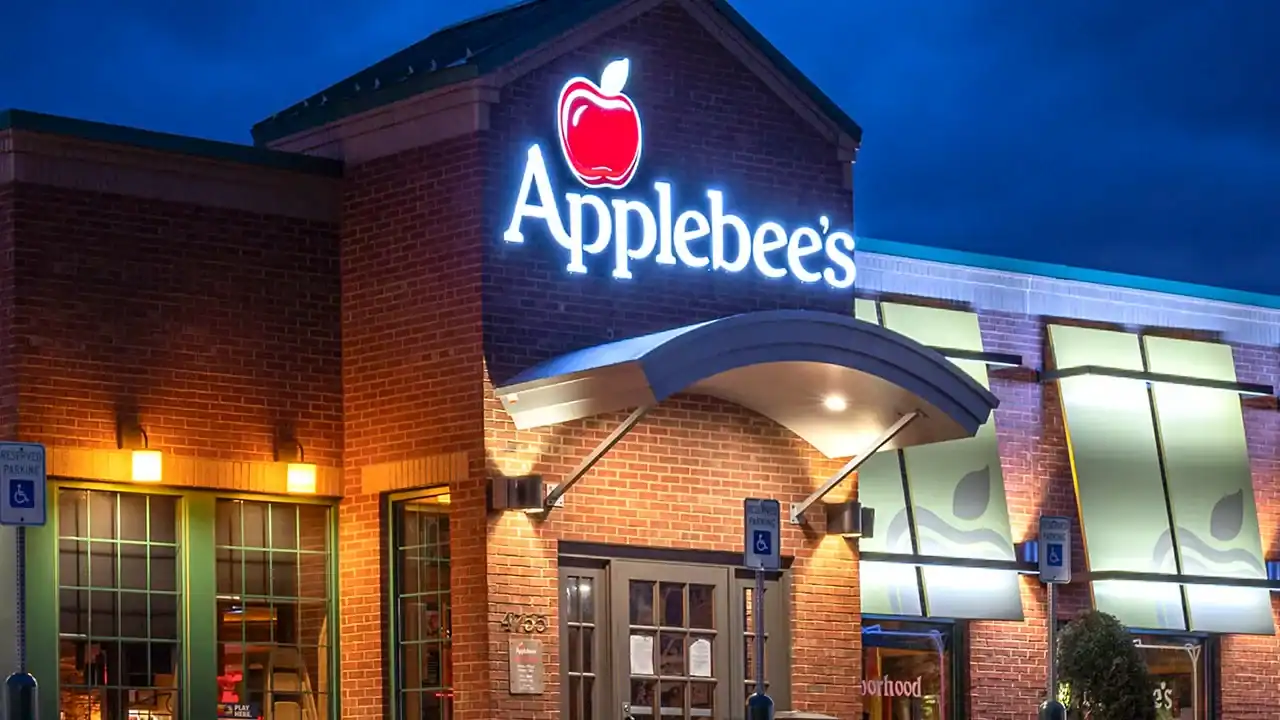
Status of the 2026 Settlement Negotiations
While no global settlement has been reached as of March 17, 2026, legal experts predict that Applebee’s parent company, Dine Brands Global, may move toward a resolution by late summer to avoid a jury trial. The potential settlement could include $10 to $25 vouchers for anyone who placed a delivery order through the app between 2021 and 2025. Similar to the Navient student loan debt lawsuit, the court may also mandate a “permanent injunction,” forcing Applebee’s to display an “all-in” price on its primary menu screens.
Conclusion: Is the Neighborhood Still Friendly?
In conclusion, the Applebee’s hidden fees class action lawsuit represents a major shift in how the casual dining industry must advertise its prices. As “junk fee” bans move from state legislatures to federal courts in 2026, the era of the $0.99 surcharge is coming to an end. For consumers, the message is clear: check the final “Total” before hitting the pay button, as the advertised menu price is often just the beginning of the transaction. As we await the mid-2026 court rulings, the outcome will likely set a precedent for every major restaurant chain in the digital age.