State Farm PHL Variable Lawsuit: 2026 Trial Set for “Fraudulent Concealment” and Benefit Caps
A massive legal battle involving the nation’s largest insurer and a distressed subsidiary has reached a boiling point as of March 17, 2026. The State Farm PHL Variable lawsuit (Jason v. State Farm Mutual Automobile Insurance Co.) has officially transitioned into the discovery phase following a Chicago federal judge’s refusal to dismiss fraud claims in late 2025. The class-action litigation alleges that State Farm agents knowingly sold life insurance and annuity products from PHL Variable Insurance Company—a subsidiary of the now-troubled Phoenix Companies—while concealing that the firm was sliding into a $2.2 billion capital shortfall. For thousands of policyholders, this “financial shell game” has resulted in promised multi-million dollar death benefits being slashed to a fraction of their value.
The 2026 Impasse: The $300,000 Payout Cap
The core of the 2026 legal dispute centers on the “guaranty fund” limitations. As PHL Variable entered state-mandated rehabilitation and moved toward potential liquidation in early 2026, many policyholders discovered that their benefits were no longer guaranteed by State Farm or PHL, but by state insurance guaranty associations. In most states, these associations cap life insurance death benefits at $300,000.
The lead plaintiffs in the State Farm PHL lawsuit highlight the devastating human cost of this cap. One plaintiff, Jenny Nappo, expected a $2 million payout following her husband’s death from cancer but received only $300,000. Another plaintiff, Patrick McLaughlin, saw his $1.5 million policy effectively “gutted” by the same ceiling. The lawsuit argues that State Farm’s “trusted brand” was used as a shield to offload risky products from a “junk-rated” issuer onto unsuspecting consumers. This focus on brand accountability mirrors the Costco Kirkland tequila lawsuit, where a parent company is being held liable for the perceived quality and authenticity of a product sold under its signature label.
“Looting” Allegations and Complex Reinsurance
In March 2026, new court filings by “over-the-cap” policyholders have added a explosive layer to the litigation: RICO and “looting” claims. These filings allege that PHL Variable was weakened through “billions in sham, circular, non-arm’s length reinsurance transactions” involving offshore entities in the Cayman Islands.
Plaintiffs contend that these transactions allowed affiliated companies to strip assets from PHL’s balance sheet while State Farm agents continued to collect commissions for “servicing” the failing policies. This “corporate stripping” narrative is a recurring theme in 2026 financial litigation, appearing in similar arguments within the Navient student loan debt lawsuit, where administrative maneuvers were allegedly used to obscure the true financial health of consumer products.
Key Milestones in State Farm vs. PHL Variable (2025-2026):
- November 26, 2025: Formal class action filed in the U.S. District Court for the Northern District of Illinois.
- December 31, 2025: Connecticut regulators pivot from rehabilitation to a liquidation recommendation for PHL.
- January 30, 2026: Policyholders seek limited intervention to block liquidation and pursue tort claims against parent entities.
- March 6, 2026: State Farm reaches a separate $530 million settlement regarding California rate hikes, though the PHL fraud case remains active.
- July 2026: Anticipated deadline for the first phase of discovery in the Chicago fraud litigation.
State Farm’s Defense: The “Independent Entity” Argument
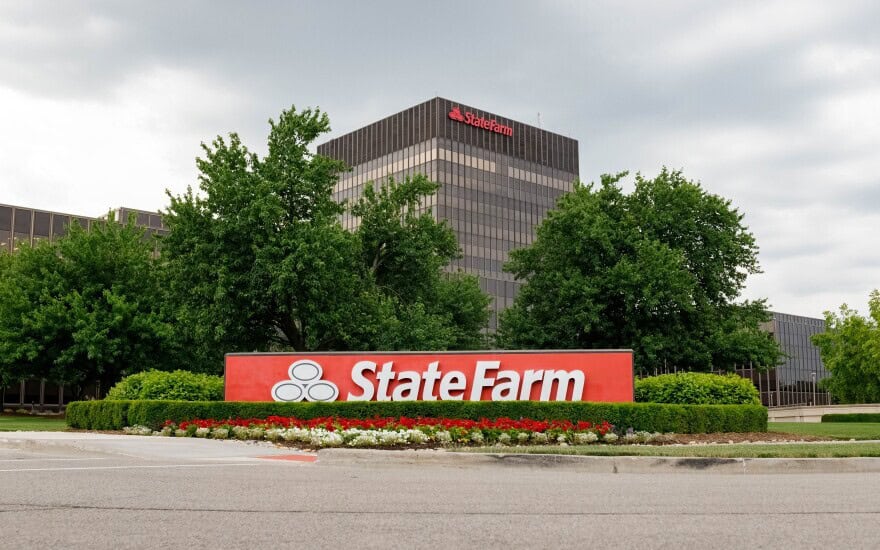
State Farm’s legal team has maintained a “compliance-first” defense, arguing that its agents acted as mere distributors for PHL Variable and that the bank is not responsible for the actuarial failures of a third-party issuer. In early 2026 filings, State Farm emphasized that it stopped selling new Phoenix/PHL products as far back as 2009.
However, the 2026 litigation focuses on the “duty to disclose” for existing clients. Plaintiffs argue that because State Farm agents continued to manage these accounts and receive compensation for them, they had a fiduciary duty to warn clients that their “100% secure” policies were effectively worthless. This “duty to warn” conflict parallels the PNC Bank data breach lawsuit, where the delay between a company’s knowledge of a risk and its notification to the customer is the primary legal battleground.
Conclusion: The End of Life Insurance Security?
In conclusion, the State Farm PHL Variable lawsuit of 2026 serves as a stark warning to the millions of Americans who view life insurance as an ironclad financial safety net. If State Farm is found liable, it could set a massive precedent for “distributor liability,” forcing major insurers to perform deeper due diligence on the products their agents sell. For now, PHL policyholders are in a race against time as the company edges toward a final liquidation that could lock in those $300,000 benefit caps forever. If you were sold a Phoenix or PHL policy through a State Farm agent, the July 2026 discovery window will be the most critical period for your potential recovery.