The Foundation of Liability
Defining the Duty of Care
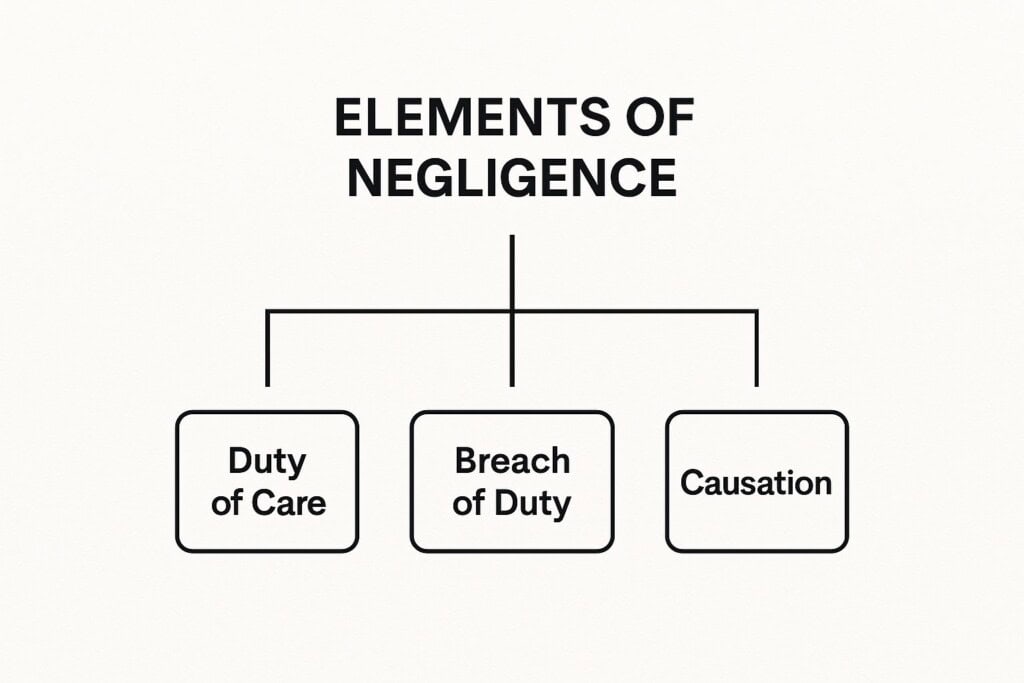
The “Duty of Care” is a legal requirement that individuals and entities act in a way that avoids causing foreseeable harm to others. It is rooted in the “neighbor principle”—the idea that you must take reasonable care to avoid acts or omissions which you can reasonably foresee would be likely to injure your neighbor.
The “Reasonable Person” Standard:
To determine if a duty was met, the law asks: “What would a person of ordinary prudence have done in the same circumstances?” This is not a standard of perfection, but of reasonable caution. A driver isn’t expected to be a professional racer, but they are expected to follow traffic laws and remain attentive.
When Does a Duty Arise?
A legal duty does not exist in every human interaction. Generally, a duty of care is established through specific relationships or situational contexts recognized by the law in 2026:
- Driver to Pedestrian/Motorist: Every driver owes a duty to everyone else on the road to operate their vehicle safely.
- Property Owner to Visitor: Owners must keep their premises reasonably safe from hazards (Premises Liability).
- Doctor to Patient: Healthcare providers owe a duty to follow the accepted “standard of care” in their medical community.
- Manufacturer to Consumer: Companies must ensure their products are safe for their intended use and warn of hidden dangers.
- Employer to Employee: Businesses must provide a safe working environment and proper safety equipment.
The Test of Foreseeability
A critical limit on the duty of care is Foreseeability. An individual is generally only responsible for harms that a reasonable person could have anticipated. If an injury occurs due to an “act of God” or a highly bizarre chain of events that no one could have predicted, the court may find that no duty of care existed for that specific outcome.
In 2026 litigation, forensic technology and data analysis are frequently used to prove that a risk was “known or should have been known.” For instance, if a store had three prior reports of a leaky roof in the same aisle, the risk of a slip-and-fall becomes highly foreseeable, solidifying the owner’s duty to fix it.
Special Duties and Professional Standards
Not all duties are created equal. Some individuals are held to a Higher Standard of Care based on their specialized knowledge or the vulnerability of the people they serve.
- Common Carriers: Bus lines, airlines, and trains often owe a “utmost duty of care” to their passengers.
- Fiduciary Duties: Financial advisors and attorneys must act in the absolute best interest of their clients, a step beyond mere “reasonableness.”
- Special Skills: A brain surgeon is not compared to a “reasonable person” off the street; they are compared to a reasonable brain surgeon with similar training.
Breach of Duty: The Pivot to Negligence
Once a duty is established, the plaintiff must prove a Breach. This occurs when the defendant fails to meet the required standard. Whether it’s a driver looking at a phone or a landlord ignoring a broken staircase, the breach is the specific action (or lack of action) that violates the duty. Without a proven duty, however, there can be no breach, and therefore no legal negligence.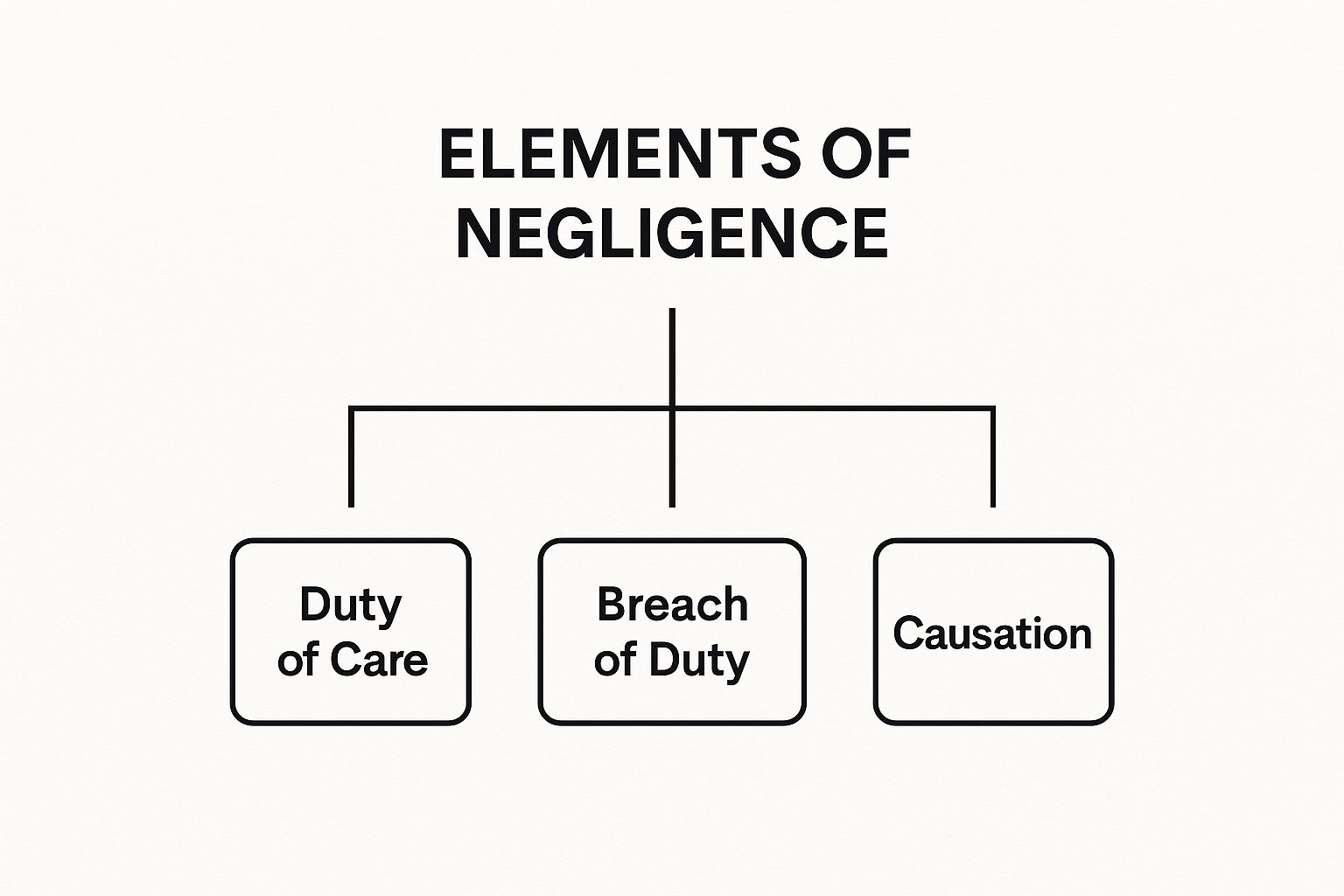
Conclusion: Protecting the Social Contract
In conclusion, the concept of a duty of care is the “social contract” of the legal world. It ensures that we are all held accountable for how our actions impact those around us. While we cannot prevent every accident, the law requires that we at least try to be reasonable.
As we move through 2026, the definition of “reasonable” continues to evolve alongside new technologies and social norms. For victims of accidents, identifying the specific duty owed to them is the first and most vital step in building a case for compensation. Ultimately, the duty of care exists to provide a baseline of safety in a busy world, ensuring that when that baseline is ignored, the injured have a clear path to hold the responsible party accountable.