Beyond Workers’ Comp
The Distinction: No-Fault vs. Tort Liability
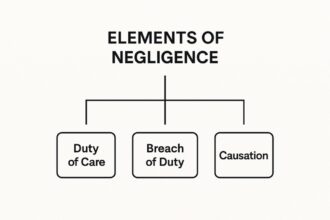
Workers’ Compensation is a “grand bargain” designed to prevent lengthy litigation between workers and bosses. It pays out regardless of who caused the accident, but the recovery is capped. A third-party claim, however, is a traditional personal injury lawsuit. To succeed, the worker must prove that a separate entity—a manufacturer, a subcontractor, or a property owner—acted negligently.
Why Pursue a Third-Party Claim?
The financial gap between Workers’ Comp and a successful third-party verdict can be massive. While Workers’ Comp may only cover two-thirds of your average weekly wage and nothing for your “loss of enjoyment of life,” a third-party claim targets the full value of your damages. In 2026, this is often the only way a catastrophically injured worker can maintain their pre-accident standard of living.
Common Third-Party Targets:
- Equipment Manufacturers: If a forklift malfunctions or a safety guard on a machine fails (Product Liability).
- General Contractors/Subcontractors: On construction sites where multiple companies work together and one company’s negligence injures another’s employee.
- Property Owners: If you are making a delivery and slip on an oil patch at a client’s warehouse (Premises Liability).
- Drivers of Other Vehicles: If you are in a collision while driving for work purposes.
The Subrogation Trap
One of the most complex aspects of third-party litigation is Subrogation. If your Workers’ Comp insurance company pays $50,000 for your medical care, and you later win $200,000 in a lawsuit against the manufacturer of the tool that injured you, the Workers’ Comp insurer usually has a legal right to be paid back from your settlement.
In 2026, experienced legal counsel must negotiate these “liens.” Skilled attorneys can often reduce the amount the insurance company takes back, ensuring the injured worker retains a larger portion of the final award. This process is vital to ensuring that the third-party claim actually benefits the victim rather than just reimbursing an insurance giant.
Proving Fault in a Controlled Environment
Litigating a third-party claim requires a deep dive into safety protocols and industry standards. In 2026, this involves analyzing OSHA (Occupational Safety and Health Administration) violations and digital maintenance logs. If a subcontractor bypassed a safety sensor to speed up production, that digital “footprint” becomes the primary evidence of negligence.
Expert witnesses, such as safety engineers and vocational experts, are typically brought in to testify about how the third party’s actions deviated from the standard of care expected in that specific industry.
The Impact of Comparative Fault
Just as in a standard car accident, the third party will likely argue that the worker was partially at fault for their own injuries. They may claim the worker wasn’t wearing proper PPE or was using the equipment incorrectly. Because third-party claims are governed by civil tort law, the rules of Comparative Negligence apply. If a jury finds the worker 20% responsible, the final award will be reduced by that percentage.
Conclusion: A Multi-Front Legal Strategy
In conclusion, a workplace injury should never be viewed solely through the lens of Workers’ Compensation. By identifying negligent third parties, injured workers can access a much broader range of financial recovery.
As we move through 2026, the increasing use of outside contractors and specialized machinery makes third-party claims more frequent and more complex. Successfully navigating these cases requires a dual-track strategy: securing immediate Workers’ Comp benefits while simultaneously building a robust negligence case against the responsible outside entities. Ultimately, third-party claims ensure that when someone other than your employer makes a workplace dangerous, they are held to the same standard of accountability as any other negligent actor in society.