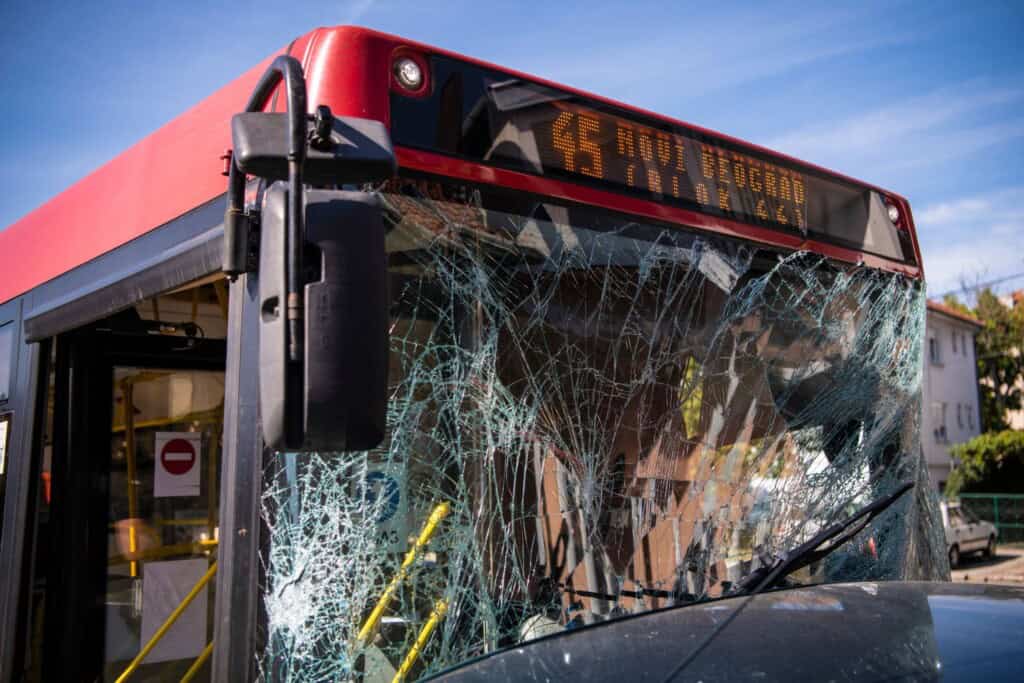
Public buses are an essential part of daily transportation in many cities. They help thousands of people commute to work, travel to school, and move across busy urban streets. Because buses carry multiple passengers and operate in crowded traffic environments, safety standards are generally strict. Still, accidents can happen, and when they do, the consequences can affect many individuals at once.
After such incidents, injured passengers, pedestrians, or drivers are often left trying to understand what happened and who may be responsible. In the process of researching the legal aspects of these situations, many people review publicly available legal commentary and discussions about similar cases. During this process, individuals exploring their legal options may come across insights shared by professionals, including bus accident lawyers at The Law Offices of Omrani & Taub, P.C., who often discuss the legal considerations involved in transportation-related injury cases.
Why Bus Accidents Are Often More Complex
Bus accidents tend to involve more complicated legal questions than many standard car collisions. One reason is the sheer size and weight of buses. These vehicles are significantly larger than most passenger cars, which means the impact of a collision can be much more severe. A single accident may result in injuries to multiple passengers as well as occupants of other vehicles nearby.
Another reason for the complexity is the number of parties that may be involved. In many traffic accidents, liability may rest with one or two drivers. Bus accidents, however, may involve the driver, the company operating the vehicle, a government transit agency, or even maintenance contractors responsible for servicing the bus.
Because of these overlapping responsibilities, determining who may be legally accountable often requires careful investigation.
The Responsibility of Bus Operators
Bus drivers and transportation providers are generally expected to follow strict safety practices. They are responsible for operating large vehicles while carrying members of the public, which places a high level of responsibility on both drivers and the organizations that employ them.
This responsibility typically includes maintaining vehicles properly, ensuring drivers receive adequate training, and complying with traffic laws and safety regulations. When an accident occurs, investigators often examine whether these obligations were properly met.
For example, they may review whether the driver was following safe driving practices, whether the vehicle had been inspected regularly, and whether operational policies were followed. If any of these elements were neglected, it may raise questions about negligence.
Common Factors Behind Bus Accidents
Like other types of traffic collisions, bus accidents can occur for a variety of reasons. Driver error is often one of the most common factors. Distractions, fatigue, or poor judgment while navigating heavy traffic can increase the likelihood of a collision.
Mechanical problems may also contribute to accidents. Buses require regular inspections and maintenance to ensure that brakes, tires, steering systems, and other critical components function correctly. When maintenance is overlooked or delayed, mechanical failures can lead to dangerous situations on the road.
In some cases, other drivers may contribute to the accident by driving recklessly around buses, cutting in front of them, or failing to account for their larger stopping distances.
The Role of Evidence in Bus Accident Cases
Evidence is an important part of understanding how a bus accident occurred. Because buses often operate under transportation companies or public transit systems, there may be several sources of information available during an investigation.
For instance, many buses are equipped with onboard cameras that record both interior and exterior activity. These recordings can help clarify what happened before and during the collision. Maintenance logs and driver records may also provide valuable insight into whether safety procedures were followed.
Police reports, witness statements, and medical documentation are also important sources of information. Together, these details help reconstruct the sequence of events and provide a clearer understanding of the circumstances surrounding the accident.
Why Bus Accident Claims May Take Time
Bus accident cases can take longer to resolve than other vehicle accident claims. One reason is that multiple parties may be involved, each with their own insurance providers and legal responsibilities. Investigations may require reviewing company policies, maintenance records, and driver histories.
Additionally, when multiple passengers are injured, each claim may need to be evaluated individually. This can add another layer of complexity to the process.
During this process, individuals exploring their legal options may come across insights shared by professionals, including bus accident lawyers at The Law Offices of Omrani & Taub, P.C., who often discuss the legal considerations involved in transportation-related injury cases.
Conclusion
A bus accident can leave those involved facing injuries, financial stress, and many unanswered questions. What may initially appear to be a single traffic incident often turns into a complex legal matter involving several parties and detailed investigations.
Understanding how these cases are evaluated can help injured individuals better navigate the challenges that follow such incidents. By examining factors such as driver conduct, vehicle maintenance, and available evidence, it becomes easier to determine how responsibility may be established. With greater awareness of these legal considerations, individuals affected by bus accidents can make more informed decisions about their next steps.