The Diageo Tequila Lawsuit 2026: Purity Scandals and Corporate Restructuring
The global tequila market has faced unprecedented scrutiny over the last year, with industry leader Diageo at the center of a storm. As of March 17, 2026, the Diageo tequila lawsuit landscape is defined by two distinct legal fronts: a series of class-action filings alleging “adulterated” spirits in their top-tier brands, and the final administrative fallout from their high-profile split with Sean “Diddy” Combs. For companies managing logistics in the integrated design and construction of luxury hospitality venues, these legal updates are vital for inventory planning and brand reputation management.
This article provides an exhaustive look at the 2026 “flat earth” defense used by Diageo, the science behind the isotope testing allegations, and why the DeLeón brand is now under total corporate control.
The “100% Agave” Scandal: Casamigos and Don Julio under Fire
In May 2025, a wave of class-action lawsuits was filed against Diageo North America in New York, Florida, and California. These suits—led by the firm Hagens Berman—allege that Diageo’s “super-premium” brands, Casamigos and Don Julio, are not actually 100% agave as labeled. Instead, the plaintiffs claim that independent laboratory testing revealed significant concentrations of “cane-derived” or “industrial” alcohol.
The Isotope Testing Controversy
The heart of the 2026 litigation rests on carbon isotope ratio analysis. Plaintiffs in the California filing (Jackson v. Diageo) claim that testing performed by a European laboratory found that Casamigos Blanco contained as little as 33% agave-derived alcohol. If true, these products would legally be classified as “mixtos” rather than pure tequila. This level of alleged product misrepresentation is as severe as the mechanical failures cited in the GM engine recall lawsuit, where the reality of the product failed to match the advertised specifications.
Diageo’s 2026 “Flat Earth” Defense
In a bold legal maneuver in late 2025 and early 2026, Diageo filed multiple motions to dismiss, famously likening the plaintiffs’ claims to “flat earth theory.” Diageo’s attorneys argue that the isotope testing used by the plaintiffs is scientifically unvalidated for finished spirits and relies on “threadbare” samples that do not account for the natural variations in Blue Weber agave.
Diageo maintains that its products are strictly monitored by the Consejo Regulador del Tequila (CRT) and comply with all “Norma Oficial Mexicana” (NOM) standards. As of March 2026, the Florida court has not yet ruled on the motion to dismiss, but the case has already caused a ripple effect, with consumer confidence in the “additive-free” movement reaching an all-time high.
The DeLeón Settlement: Moving Past Sean Combs
While the purity lawsuits continue to brew, Diageo has successfully closed its most contentious chapter: the partnership with Sean “Diddy” Combs. In early 2024, Combs and Diageo reached a confidential settlement, ending a bitter legal battle where Combs accused the company of “racially typecasting” his brands, DeLeón Tequila and Cîroc Vodka.
By March 2026, Diageo has fully integrated DeLeón into its sole ownership portfolio. The settlement involved Combs withdrawing all allegations of racism with prejudice, effectively ending the “urban branding” dispute. This corporate divorce allowed Diageo to pivot its marketing strategy, focusing on DeLeón as a mainstream luxury brand alongside Don Julio. This transition mirrors the corporate shifting seen in the WWE Endeavor merger lawsuit, where ownership consolidation was the primary goal of the litigation.
The Role of the Additive Free Alliance (AFA)
A key player in the 2026 Diageo tequila lawsuit is the Additive Free Alliance. The plaintiffs in the New York filing (Pusateri v. Diageo) cited “initial laboratory testing” conducted through the AFA. Diageo has pushed back against this, suing the AFA’s founders in a separate defamation suit, alleging they are “self-interested actors” spreading misinformation to boost smaller, boutique distilleries. This legal “war of words” has made the 2026 tequila market one of the most litigious in the spirits industry, comparable to the high-stakes transparency battles in the Google lawsuit 2025.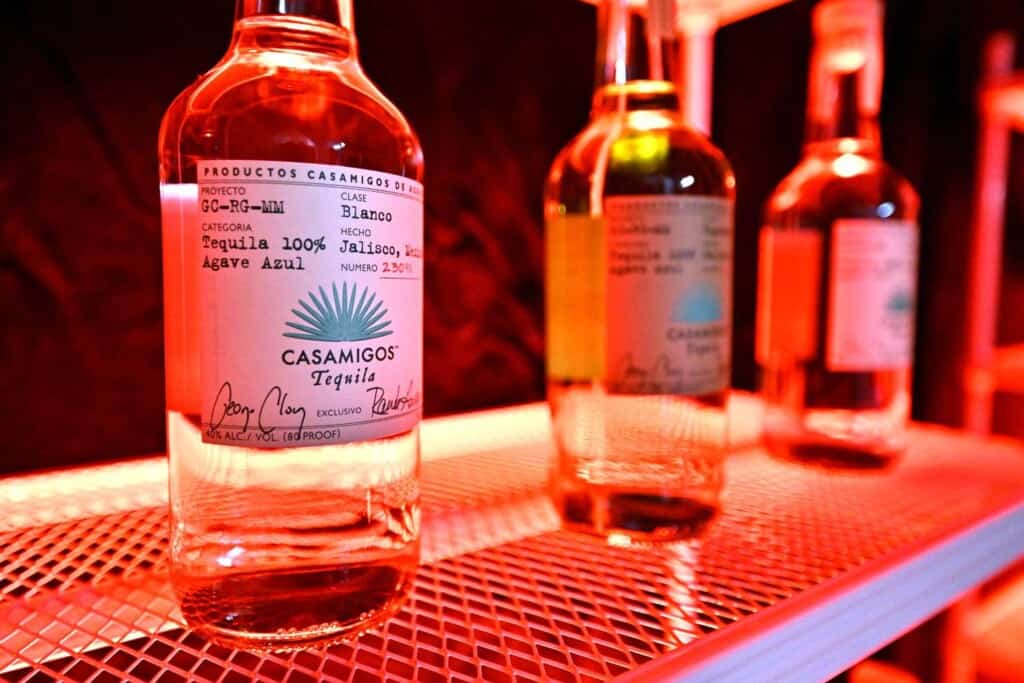
What Consumers and Retailers Should Expect
As the “purity trials” move toward the discovery phase in late 2026, the spirits industry is bracing for a potential overhaul of how “100% agave” is certified. If the courts allow the plaintiffs’ isotope testing as admissible evidence, it could force Diageo—and other mass-market producers—to implement more transparent labeling, perhaps admitting to the use of “cold-blended” additives or cane spirits.
- Labeling Changes: We may see a rise in “Additive-Free” certifications that are independent of the CRT.
- Premium Pricing: If the lawsuit proves that cheaper cane alcohol is being used, the “super-premium” price points of $50–$100 per bottle may become legally indefensible.
- Inventory Volatility: Retailers should be aware that a negative ruling could lead to mandatory product relabeling or temporary “withdrawals” from shelves.
Conclusion: A Category at a Crossroads
The Diageo tequila lawsuit 2026 updates show an industry at a crossroads between mass-market efficiency and traditional purity. While Diageo remains confident in its “meticulous and rigorously monitored” process, the pressure from independent testing and organized class actions is mounting. Whether these suits are dismissed as “copycat conjecture” or result in a landmark settlement, the outcome will fundamentally change how consumers view the liquid inside the bottle. For now, the “Granddaddy of Spirits” is standing its ground, waiting for the courts to decide if their “100% agave” claim holds up to 21st-century science.