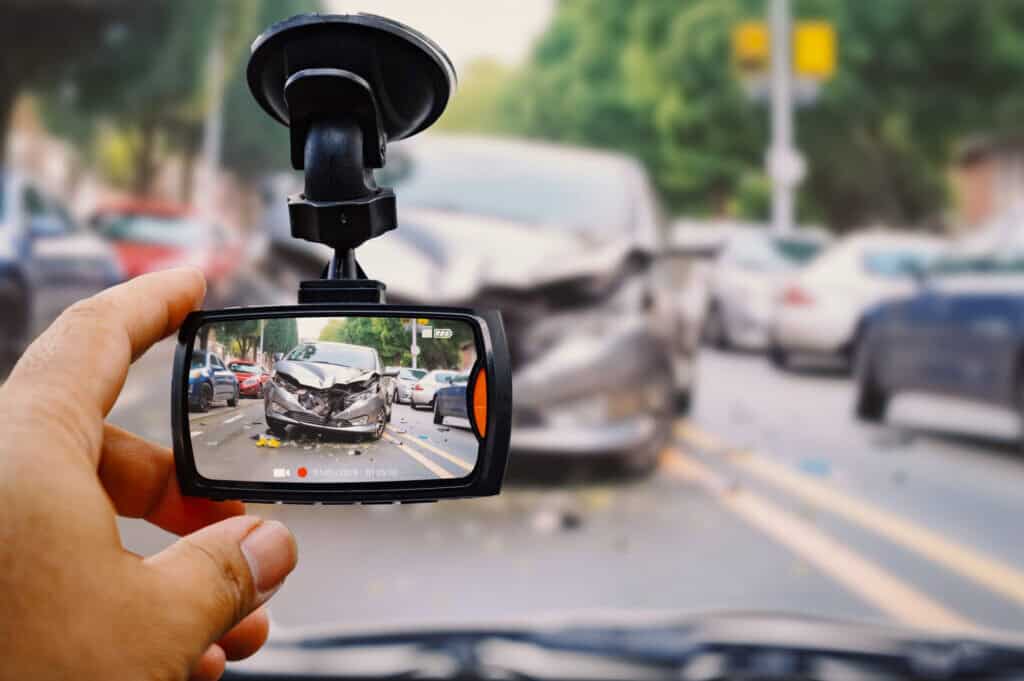
The Digital Eye
Eliminating the “Shared Fault” Default
Insurance adjusters often default to “50/50” or “comparative negligence” rulings when physical evidence at the scene is inconclusive. In 2026, dashcam footage is the primary antidote to this tactic. It captures critical details that human memory often fails to recall accurately under stress, such as:
- Traffic Signal Status: Providing irrefutable proof of who had the right-of-way in intersection collisions.
- Lane Positioning: Demonstrating exactly which vehicle crossed the line in side-swipe or merging accidents.
- Following Distance: Showing whether a rear-end collision was caused by tailgating or an illegal, sudden “swoop and squat” maneuver by the lead car.
- Turn Signals and Maneuvers: Confirming if a driver signaled appropriately or made an illegal turn across multiple lanes.
The 2026 Settlement Advantage:
Recent data indicates that insurance claims supported by clear dashcam footage settle up to 60% faster than those relying solely on witness statements. Furthermore, some legal analyses suggest that irrefutable video evidence can increase settlement values significantly by removing the “risk discount” associated with disputed liability.
Admissibility and the Rules of Evidence
While dashcam footage is a powerful tool, it is not automatically admissible in court. In 2026, the legal process for using video evidence requires strict adherence to foundational requirements:
- Authentication: A witness must testify that the footage is a fair and accurate representation of the events. This is often supported by digital metadata that verifies the date, time, and GPS coordinates of the recording.
- Chain of Custody: The plaintiff must show that the footage has not been edited, tampered with, or manipulated since the moment of the crash.
- Relevance: The footage must directly pertain to the facts at issue in the litigation.
The Impact on Comparative Negligence
Many states follow “Modified Comparative Negligence” rules, where a victim’s recovery is reduced by their percentage of fault. If a driver is found more than 50% responsible, they may be barred from recovering anything at all. Dashcam footage is vital in keeping a fault percentage below this critical threshold. For example, a video might reveal that while the plaintiff was slightly over the speed limit, the defendant blew through a stop sign, shifting the “predominant fault” back to the defendant.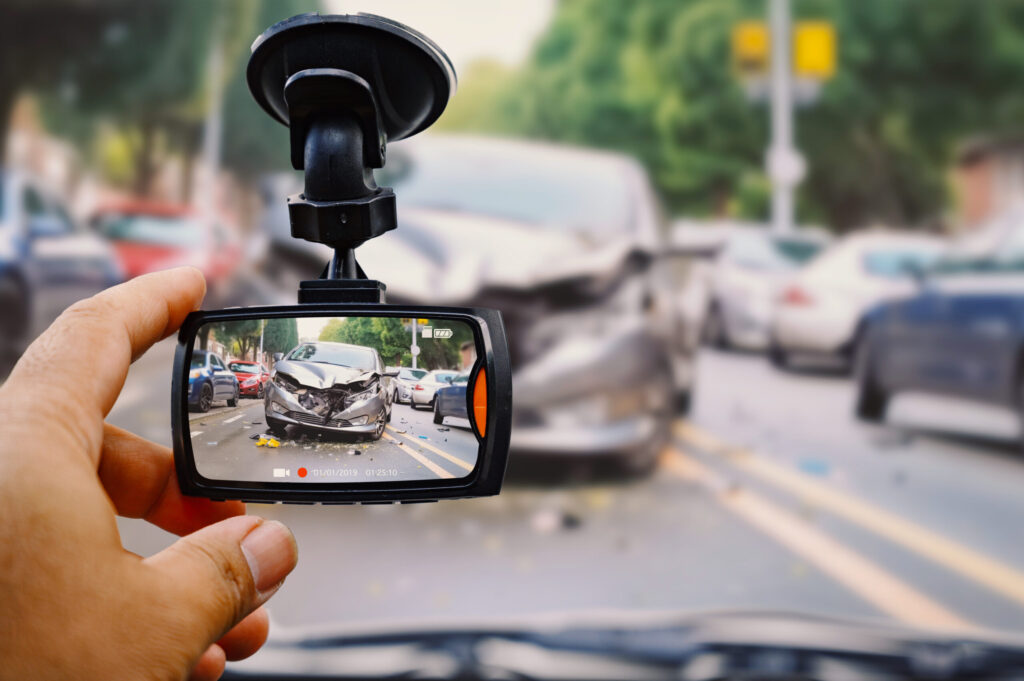
Strategic Preservation of Evidence
In 2026, the strategy for handling dashcam footage is as important as the recording itself. Legal experts advise:
- Immediate Backup: Dashcams often use “loop recording,” which can overwrite critical crash data within hours. The footage must be saved to a secure cloud or external drive immediately after the collision.
- Treat as Double-Edged: Footage is objective; if you were distracted or speeding, the video will show it. Attorneys recommend reviewing footage privately before sharing it with an insurance adjuster.
- Context Matters: A forward-facing camera may not capture the whole story. In 2026, “multi-channel” systems (front, rear, and interior) are becoming the standard for comprehensive legal protection.
Conclusion: Transparency as a Tool for Justice
In conclusion, dashcam footage has shifted the balance of power in disputed liability crashes. It transforms a legal battle from a test of credibility into a search for technical truth. As we move through 2026, the presence of an onboard camera is no longer just a hobbyist’s choice—it is a sophisticated legal safeguard.
For those involved in a crash, the digital eye provides a level of certainty that even the most meticulous police report cannot match. Ultimately, dashcam footage ensures that liability is determined by what actually happened on the road, rather than who tells the more compelling story in the courtroom. By embracing this transparency, drivers can secure their rights and ensure that justice is served based on cold, hard data.