Complex Collisions
The Rideshare Dilemma: The Three Phases of Coverage
Rideshare accidents are unique because the available insurance coverage shifts depending on the driver’s digital status at the moment of impact. This “Period-Based” system determines which policy—the driver’s personal insurance or the company’s multi-million dollar corporate policy—is primary.
- Period 0 (App Off): The driver is using the vehicle for personal use. Only their personal auto insurance applies.
- Period 1 (App On, Waiting for Request): The driver is “active” but hasn’t accepted a ride. Rideshare companies typically provide lower-limit liability coverage during this window.
- Period 2 & 3 (Request Accepted/Passenger in Car): The full commercial policy (often $1 million or more) is active. This covers both the passenger and third parties hit by the rideshare vehicle.
Commercial Trucking: The “Vicarious Liability” Factor
In accidents involving commercial trucks or delivery vehicles, the legal doctrine of Respondeat Superior (Vicarious Liability) often applies. This means that the employer is legally responsible for the negligence of their employee, provided the driver was acting within the “scope of their employment” at the time of the crash.
In 2026, this allows victims to seek damages directly from large corporations with significant assets. However, many companies attempt to bypass this by classifying drivers as “independent contractors.” A key legal right for victims is the ability to challenge this classification to unlock the company’s higher insurance limits.
Evidence Unique to Commercial Cases:
- Electronic Logging Device (ELD) Data: Proving the driver exceeded federal “Hours of Service” limits, leading to fatigue.
- Maintenance Logs: Identifying if a mechanical failure was due to skipped inspections.
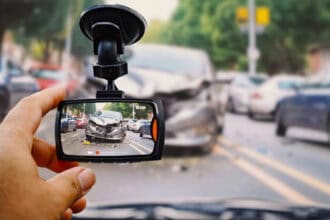
- Black Box (EDR) Data: Capturing speed, braking, and steering inputs in the five seconds before the collision.
- Qualcomm/Telematics Records: Showing if the driver was distracted by dispatch messages or mobile devices.
Federal Regulations: The FMCSA Standard
Commercial carriers are governed by the Federal Motor Carrier Safety Administration (FMCSA). These regulations set strict standards for driver drug testing, weight limits, and cargo securement. If a victim can prove the carrier violated a specific federal regulation, it can establish Negligence Per Se—meaning the violation itself is proof of negligence, drastically simplifying the path to a verdict.
The Multi-Defendant Strategy
Unlike a simple car crash, a commercial accident may involve several responsible parties. A strategic legal approach in 2026 investigates:
- The Driver: For direct negligence (speeding, DUI, distraction).
- The Carrier: For negligent hiring, training, or supervision.
- The Loading Facility: If improperly secured cargo caused a rollover or shifted weight.
- The Maintenance Contractor: If a third party failed to repair brakes or tires correctly.
Conclusion: Protecting Your Future
In conclusion, accidents involving commercial or rideshare vehicles are not “standard” personal injury cases. They are battles against sophisticated legal teams and massive insurance conglomerates. Your rights include the ability to access corporate data, challenge driver classifications, and hold multiple entities accountable for their role in your injuries.
As we move through 2026, the rise of “last-mile” delivery and autonomous commercial testing makes these cases even more intricate. By acting quickly to preserve digital evidence and understanding the specific insurance “phases” in play, victims can level the playing field. Ultimately, while these accidents are more complex, they also offer broader avenues for recovery, ensuring that the injured are not left to bear the financial burden of a corporation’s negligence.