Roblox Lawsuit Addiction: 2026 Multidistrict Litigation and “Persuasive Design” Claims
The world’s largest user-generated gaming platform is facing a historic legal reckoning over its impact on the adolescent brain. As of March 17, 2026, the Roblox lawsuit addiction litigation has reached a critical procedural milestone. Following a series of filings throughout 2025, several federal cases have been consolidated into a Multidistrict Litigation (MDL) in California, where judges are currently weighing whether Roblox’s core mechanics—ranging from algorithmic “engagement loops” to its virtual currency, Robux—constitute a defective product designed to bypass the self-regulation skills of minors. While Roblox maintains that its platform is a safe creative space, plaintiffs argue the company has prioritized “profit over protection” by engineering a digital environment that mirrors the neurological triggers of gambling.
The 2026 Legal Landscape: Consolidations and School Districts
The Roblox lawsuit addiction is no longer just a collection of individual grievances. In early 2026, the litigation expanded significantly as major school districts, including the Champion Local School District in Ohio, filed federal suits. These districts allege that Roblox’s “addictive features” have forced schools to divert massive resources toward mental health counseling and behavioral interventions for students suffering from “Gaming Disorder.”
The push for corporate accountability regarding digital health is a trend we see in the Verizon class action lawsuit, where systemic failures in disclosure led to massive penalties. In the Roblox matter, the legal focus has shifted from “bad content” to “bad design,” targeting the very architecture of the app as a source of injury.
“Persuasive Design”: How Roblox Allegedly Hooks Minors
At the center of the Roblox lawsuit addiction are several specific design features that plaintiffs claim are “predatory” by nature. The 2025 and 2026 complaints frequently cite the following “dark patterns”:
- Variable Reward Schedules: Much like slot machines, many Roblox “experiences” use intermittent rewards that stimulate dopamine production, making it difficult for children to “log off.”
- The Robux Economy: By using a non-transferable virtual currency, the suit alleges Roblox creates a “sunk cost” fallacy where children feel they cannot stop playing without losing the financial value they (or their parents) have invested.
- Algorithmic Manipulation: Plaintiffs argue that Roblox uses sophisticated AI to track a child’s play patterns and serve “Recommended” games specifically designed to extend session times.
This scrutiny of “hidden” digital mechanics is reminiscent of the Audible digital ownership lawsuit, where the legal battle hinges on how technology companies represent costs and control to their users. For Roblox, the argument is that these features exploit the underdeveloped impulse control of children under the age of 16.
Payout Projections and Case Value in 2026
As of March 2026, there is no global Roblox addiction settlement. However, legal experts monitoring the bellwether cases in California have begun to project potential settlement tiers based on previous mass torts in the healthcare and tech sectors. While “minor” cases involving academic decline might see smaller rewards, cases involving psychiatric hospitalization or self-harm are projected to reach much higher valuations.
Much like the Philips CPAP lawsuit payout, which relied on a points-based system for injury severity, a future Roblox settlement would likely be tiered:
| Injury Severity | Projected Payout Range | Qualifying Evidence |
|---|---|---|
| Moderate | $25,000 – $100,000 | Clinical diagnosis of anxiety/depression, therapy records. |
| Severe | $150,000 – $350,000+ | Psychiatric hospitalization, self-harm, total educational withdrawal. |
The “Dual-Track” Litigation: Safety and Addiction
It is important to note that the Roblox lawsuit addiction is running parallel to a separate, even more intense legal battle regarding child safety. In January 2026, a federal judge in Texas allowed a state-led lawsuit to proceed, which accuses Roblox of misleading parents about the safety of its platform. This suit, along with the Blake Lively lawsuit dismiss status updates we’ve seen in the entertainment sector, highlights a broader 2026 trend of holding high-profile brands accountable for the “safety” of their environments—whether physical or digital.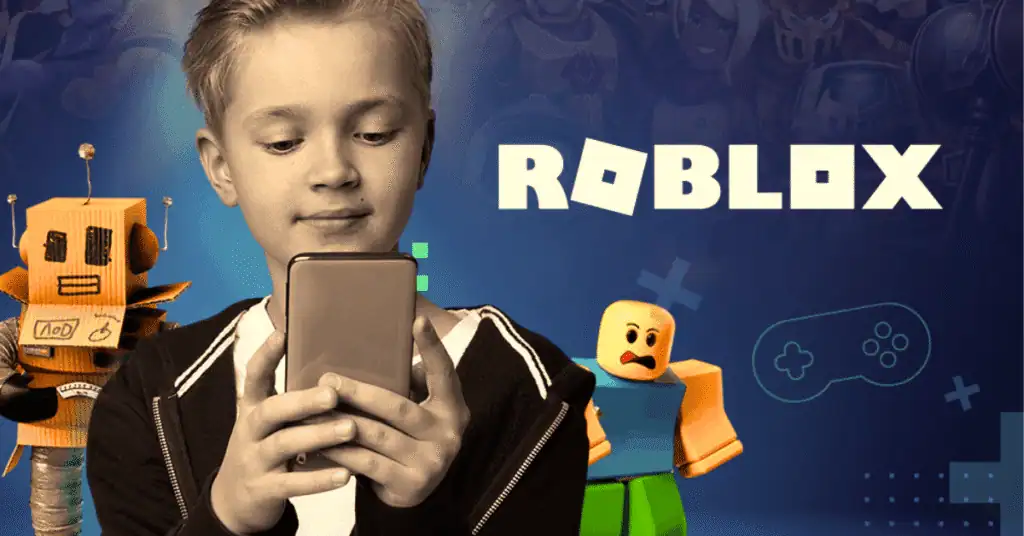
The 2026 “Warrior” Defense: Roblox’s Response
Roblox has filed motions to dismiss several of these addiction claims, arguing that their platform is protected by Section 230 of the Communications Decency Act and the First Amendment. They contend that as a “platform” for user-created content, they cannot be held liable for the design choices of individual game developers. This “Section 230 shield” is the same defense being tested in the Greenpeace Dakota pipeline lawsuit, where the boundaries between corporate platform liability and third-party actions are being litigated.
Conclusion: A Turning Point for Digital Safety
In conclusion, the Roblox lawsuit addiction represents a watershed moment for the gaming industry. As the 2026 MDL proceeds toward discovery, the focus remains on whether “addictive design” is a legitimate product defect or merely a byproduct of modern entertainment. For parents and educators, the outcome will determine whether tech giants are legally required to implement “mandatory stopping points” and more transparent warnings. For the millions of “Robloxians” worldwide, the trial may fundamentally change how the digital playground is structured for the next generation.