Slipknot Domain Control Lawsuit: Band Withdraws Cybersquatting Case (2026)
For over two decades, one of the world’s largest metal bands has operated without its namesake “dot-com” address. In March 2026, a major chapter in this digital saga concluded as the Slipknot domain control lawsuit was officially withdrawn from federal court. The legal battle, which pitted the band’s corporate entity against an anonymous Cayman Islands-based registrant, represented a high-stakes attempt by Slipknot to reclaim slipknot.com under the Anti-Cybersquatting Consumer Protection Act (ACPA). While the band has long directed its global “Maggot” fanbase to slipknot1.com, this recent litigation highlights the extreme difficulty established brands face when challenging domain registrations that predate their trademark dominance.
The October 2025 Filing: Allegations of “Bad Faith”
The Slipknot domain control lawsuit was ignited in October 2025, when Slipknot, Inc. filed a complaint in the U.S. District Court for the Eastern District of Virginia. The band’s legal team, led by attorney Craig Reilly, alleged that the anonymous owner of slipknot.com had engaged in “bad faith” cybersquatting since early 2001. The complaint specifically accused the domain holder of using the site to host pay-per-click advertisements and links to unofficial, “bootleg” merchandise, thereby siphoning revenue and confusing fans who expected to find the official band hub.
This focus on “goodwill” and trademark dilution is a common strategy in intellectual property disputes. It mirrors the legal arguments seen in the Audible digital ownership lawsuit, where the core issue is how digital platforms represent their authority and relationship to the consumer. In Slipknot’s case, the band argued that the domain was specifically designed to “trick unsuspecting visitors.”
The Counter-Defense: 24 Years of Ownership
Unlike many cybersquatting cases where the defendant never appears, the anonymous owner—identified as “Slipknot Online Services, Ltd”—hired veteran domain specialist Jeffrey Neuman to fight back in November 2025. The defense presented a powerful counter-argument: the domain had been continuously owned and maintained for approximately 24 years, predating many of the band’s formal trademark registrations.
Neuman’s filing moved to dismiss the case based on “laches”—a legal principle suggesting that Slipknot had waited too long (over two decades) to assert its rights. The defense noted that if the site were truly causing “irreparable harm,” the band would have taken legal action during its Iowa era in the early 2000s, rather than waiting until 2025. This emphasis on “procedural timing” is similar to the hurdles in the Philips CPAP lawsuit, where strict filing windows determine the validity of a claim.
Key Timeline of the Slipknot.com Dispute:
- 1995: Slipknot forms in Des Moines, Iowa.
- 1999: The band releases its self-titled debut album.
- February 5, 2001: Slipknot.com is registered by an anonymous party in the Cayman Islands.
- 2002: The Slipknot logo is officially registered with the US Trademark Registry.
- October 2025: Slipknot, Inc. files a federal lawsuit to seize the domain.
- January 22, 2026: Slipknot voluntarily dismisses the lawsuit without prejudice.
Why Did Slipknot Withdraw the Case in 2026?
On January 22, 2026, the band filed a motion to voluntarily dismiss the action “without prejudice.” While Slipknot has not issued a formal public statement regarding the withdrawal, legal analysts suggest the move may have been a strategic retreat. With the defendant actively contesting jurisdiction and the 24-year delay in filing, the band faced a significant risk of a precedent-setting loss that could have permanently solidified the squatter’s rights.
The “without prejudice” designation means the band can technically refile the suit later. However, the immediate dismissal suggests a potential out-of-court settlement or a pivot toward other brand protection strategies. This type of strategic dismissal is often seen in corporate litigation, such as the Tyler Perry lawsuit, where high-profile figures must weigh the cost of a public trial against the benefits of a quiet resolution.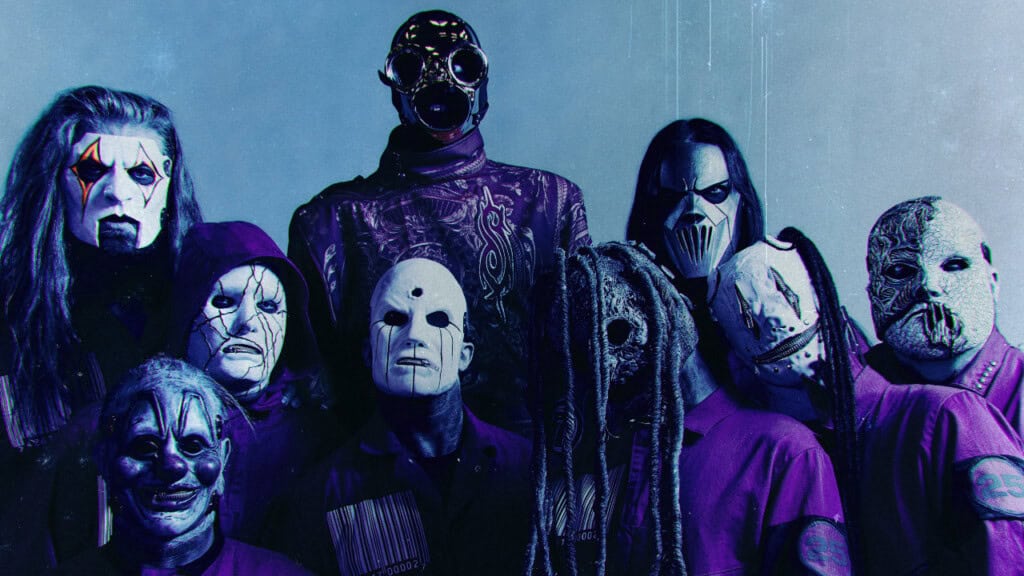
The Role of Bootleg Merchandise and “Knotfest”
A driving force behind the Slipknot domain control lawsuit was the band’s aggressive push to protect its massive merchandise empire. In 2025 and 2026, Slipknot has been increasingly litigious against bootleggers selling counterfeit masks and apparel. By 2026, slipknot.com had transitioned from a generic ad portal to a site displaying a “No valid delivery channels” placeholder, suggesting the owners were feeling the heat from the band’s intellectual property (IP) enforcement teams.
This protective stance over physical assets and likeness is a common theme in legacy acts, much like the disputes mentioned in our coverage of the Blake Lively lawsuit status, where professional reputation and brand control are worth millions in potential damages.
Conclusion: The Future of Slipknot1.com
For now, Slipknot1.com remains the official home of the Nine. The withdrawal of the Slipknot domain control lawsuit in 2026 underscores the immense difficulty of winning a cybersquatting case against a “first-come, first-served” registrant who has held a domain for decades. As the band prepares for future tours and the release of their “lost” album Look Outside Your Window, the slipknot.com domain remains a vacant digital monument—a reminder that in the world of the internet, even the world’s most recognizable brands don’t always own their own names.