Kylan Darnell Lawsuit: 2026 Social Media Liability and Counterfeit Disclosure Claims
The “Queen of Bama Rush” is facing a new kind of scrutiny that extends far beyond the sorority house. As of March 17, 2026, the Kylan Darnell lawsuit rumors that swirled during the 2025 recruitment season have evolved into a broader legal discussion regarding influencer liability and consumer protection. While Darnell explicitly denied being in a “legal battle” with her family in late 2025, her digital empire is currently at the center of a Federal Trade Commission (FTC) inquiry and potential civil litigation stemming from a controversial “designer haul” that experts allege contained counterfeit luxury goods. For the University of Alabama senior, the transition from campus icon to professional influencer is being defined by a high-stakes lesson in trademark law and disclosure ethics.
The 2025 “Christmas Haul” Controversy
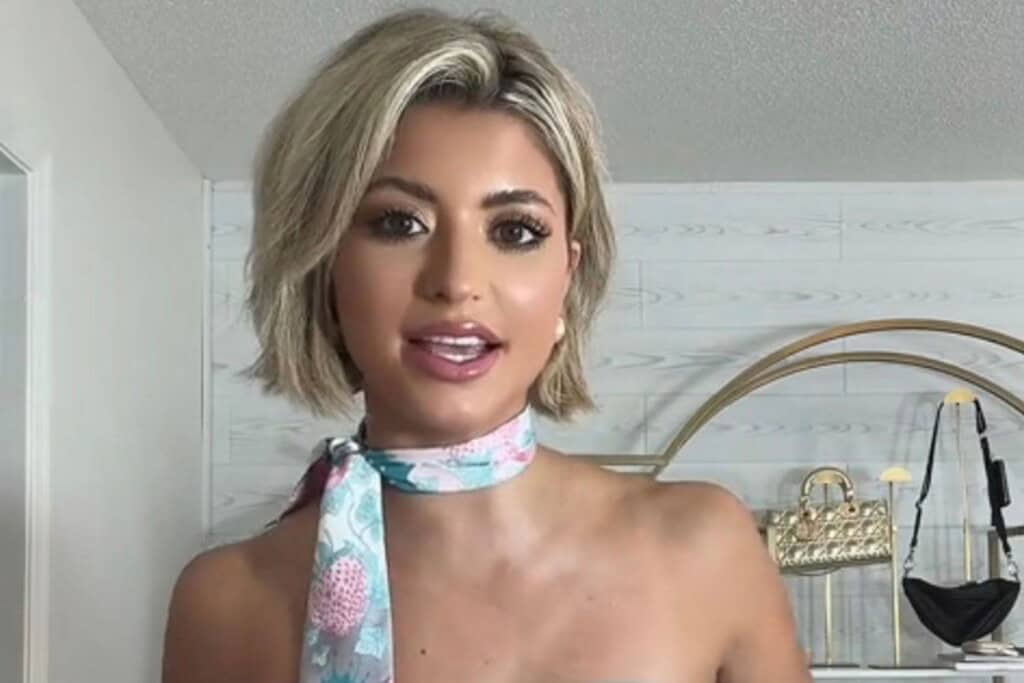
The catalyst for the current legal pressure on Kylan Darnell and her sister, Izzy, was a viral December 2024 video featuring a luxury “Christmas haul.” The sisters showcased an array of high-end items, including Chanel flap bags and a rare Hermès Birkin, with a total estimated value exceeding $50,000. However, fashion experts and brand authentication services quickly identified “irregularities” in the stitching and hardware of several pieces, alleging they were counterfeit.
In a now-deleted response, Kylan admitted to “mixing real and fake” items, a statement that triggered immediate legal concerns. This admission of promoting counterfeit goods as authentic is a direct violation of Section 5(a) of the FTC Act, which prohibits “unfair or deceptive acts.” This type of “illusory lifestyle” litigation mirrors the Gmail lawsuit claim form 2025 developments, where corporations and individuals alike are being held accountable for deceptive digital representations.
The FTC Inquiry: “Deceptive Acts or Practices”
By early 2026, the Kylan Darnell lawsuit chatter shifted toward regulatory action. The FTC’s updated 2025 guidelines specifically target influencers who fail to disclose when products are “dupes” or counterfeits. Because Darnell’s posts are monetized through brand deals and ad revenue, her promotion of illegal replicas could be classified as trademark infringement and unfair competition.
Legal analysts suggest that if a formal civil suit is filed by brands like Chanel or Hermès, it would focus on “initial interest confusion”—where a consumer is drawn to a creator’s platform under the false impression that they are viewing authentic luxury goods. This strategy of targeting the “design” of a digital persona is similar to the Roblox lawsuit addiction cases, where the architecture of the user experience is cited as a source of harm.
“Bama Rush” and the Liability of Influence
The 2025-2026 academic year saw a “RushTok backlash,” with many University of Alabama sororities reportedly banning new recruits from posting on social media. This shift was largely driven by the “liability” associated with high-profile members like Darnell. In several 2026 interviews, Kylan noted that her chapter, Zeta Tau Alpha, has faced internal friction due to the “magnifying glass” her online presence places on the organization.
The risk of a single post damaging a century-old brand is a recurring theme in 2026 litigation. It parallels the Paramount Trump lawsuit, where a single edited interview segment led to a $16 million settlement and massive corporate restructuring. For Darnell, the “liability” isn’t just about her behavior; it’s about the legal responsibility that comes with having over two million followers.
Key Events in the Darnell Legal Timeline:
- December 2024: Viral “Christmas Haul” leads to widespread allegations of counterfeit promotion.
- August 2025: Kylan Darnell “steps back” from Bama Rush, citing mental health and “ridiculous” legal rumors.
- January 2026: FTC begins informal inquiries into influencer “dupe” disclosure practices involving several high-profile creators.
- March 15, 2026: Reports surface of a “cease and desist” order from a major luxury brand regarding the use of their trademarked likeness in uncertified hauls.
The “Mental Health” Defense and Litigation Fatigue
In March 2026, Darnell has largely transitioned away from “Bama Rush” content, focusing instead on “authentic lifestyle” posts. Her legal team has consistently maintained that she is a “young creator navigating a complex industry” and that no formal lawsuits have been served as of today. This “mental health pause” is a common strategy in the 2026 legal landscape, often used to de-escalate public tension before reaching a private settlement—a tactic also seen in the Smokey Robinson sexual lawsuit.
Conclusion: The End of the “Wild West” for Influencers
In conclusion, the Kylan Darnell lawsuit rumors of 2026 serve as a cautionary tale for the first generation of “TikTok-born” millionaires. As federal regulators and luxury brands tighten their grip on digital marketing, the line between a “fun video” and a “deceptive trade practice” has become razor-thin. For the “Queen of Bama Rush,” the 2026 legal hurdles represent the final round of her collegiate career: a transition from the carefree world of sorority life to the strictly regulated reality of professional brand management.