Migrant Shelter Hotel Lawsuit: Legal Challenges and City Mandates in 2026
The legal landscape surrounding the use of commercial hotels as emergency housing has reached a critical turning point. The migrant shelter hotel lawsuit phenomenon has evolved from simple zoning disputes into complex constitutional challenges involving municipal liability, civil rights, and breach of contract. As of March 2026, cities across the United States are grappling with the fallout of rapid-response housing strategies that were implemented during the height of the humanitarian crisis. These legal battles are not only defining the rights of displaced individuals but also the limits of executive power in urban management.
The Evolution of Emergency Housing Litigation
In the early stages of the migration surge, many city governments bypassed traditional procurement and zoning laws to secure thousands of hotel rooms. This led to a wave of litigation from community groups and local businesses. However, the current “migrant shelter hotel lawsuit” environment is increasingly focused on the transition toward permanent housing solutions. Under new mandates, such as those seen in New York City, there is a push to bring all emergency sites into full compliance with longstanding safety codes, which many hotels cannot meet.
For more information on how these legal shifts impact broader civil liberties, you can read our analysis on asylum seeker housing rights. The intersection of local ordinance and federal mandate remains a primary focal point for litigators specializing in municipal law.
Key Legal Grounds for Shelter-Related Lawsuits
Attorneys involved in these cases generally argue across four primary legal pillars:
- Zoning and Land Use: Claims that converting a “transient hotel” into a “long-term shelter” constitutes a material change of use that requires public hearings.
- Public Nuisance: Resident-led suits claiming that the concentration of shelters in specific neighborhoods creates an undue burden on local infrastructure.
- Contractual Default: Hotels suing municipalities for damages to property or failure to provide agreed-upon security and social services.
- Safety Compliance: Actions taken to enforce maximum occupancy and fire safety standards in converted buildings.
The Impact of Executive Orders on Current Cases
In early 2026, several landmark executive orders shifted the burden of proof in these lawsuits. For instance, new policies requiring the phase-out of hotel-based shelters by the end of the year have rendered some ongoing “nuisance” lawsuits moot, while simultaneously triggering a new wave of “breach of contract” claims from hotel owners who had anticipated multi-year revenue streams. This volatility makes the migrant shelter hotel lawsuit a moving target for legal professionals.
Contractual Fallout and the Roosevelt Hotel Precedent
One of the most significant cases involves the termination of large-scale contracts with iconic properties like the Roosevelt Hotel. When the city opted to end its $220 million agreement, it opened the door for litigation regarding “make-good” provisions—the requirement to return the property to its pre-shelter condition. The legal expenses associated with these restorations are expected to reach hundreds of millions of dollars, further complicating the financial outlook for city budgets.
Understanding the intricacies of these agreements is vital. You can find more details in our guide on government emergency housing contracts, which explores the liability clauses often found in these high-stakes negotiations.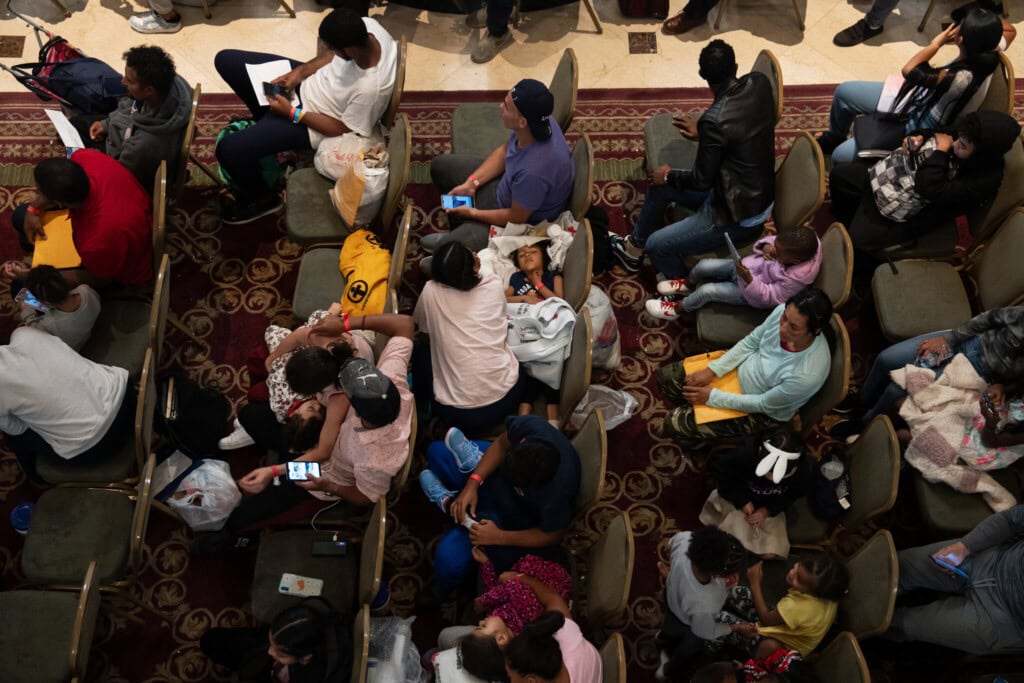
Constitutional Rights and the “Right to Shelter”
Courts are also being asked to define the “Right to Shelter” in the context of a sustained crisis. While some jurisdictions have a constitutional mandate to provide housing, the question remains: does this mandate require “hotel-quality” accommodations, or can the city utilize congregate settings? Recent rulings in 2026 suggest that as long as basic health and safety standards are met, the city has broad discretion to move individuals out of hotels and into more cost-effective facilities.
Future Projections for Shelter Litigation
As we move through 2026, the focus of the migrant shelter hotel lawsuit will likely shift toward the auditing of funds. Taxpayer advocacy groups are filing discovery motions to trace where billions of dollars in emergency spending went, specifically looking for evidence of price gouging by hotel operators or negligence by private security firms. This era of “accountability litigation” will likely define the next three years of municipal law.
Summary of Legal Trends
In conclusion, the era of “hotel-as-shelter” is ending, but the legal echoes will remain. Whether you are a property owner, a local resident, or an advocate for migrant rights, staying informed on these precedents is essential for navigating the complex regulatory environment of 2026.