The 2026 Controversy Over PFAS and “Microwave Safe” Labeling
The household storage industry is currently facing a significant legal challenge known as the Ziploc bags lawsuit. Filed against S.C. Johnson & Son, Inc., this class-action litigation raises critical questions about the safety of everyday plastic products. Consumers have long relied on Ziploc bags for kitchen tasks, but recent legal filings suggest that these products may not be as “safe” as advertised when subjected to heat. This legal analysis explores the core allegations regarding chemical leaching and the impact on consumer health standards in 2026.
The Central Allegations: Deceptive Marketing and Chemical Risks
At the heart of the Ziploc bags lawsuit is the claim that the manufacturer engaged in deceptive marketing. Plaintiffs argue that labeling these products as “Microwave Safe” leads consumers to believe they are fit for reheating food without any risk. However, the complaint alleges that Ziploc products—made primarily from polyethylene—can release microplastics and potentially harmful chemicals when heated. The suit contends that these materials break down at a microscopic level, shedding particles into food that are then ingested. This follows a trend of increasing scrutiny on common household items; for instance, the Diageo tequila lawsuit similarly addresses transparency in product composition.
The Science of Microplastic Shedding
To understand the foundation of the Ziploc bags lawsuit, one must look at recent polymer research. A 2025 study cited in legal discussions found that plastic bags can release thousands of nanoplastics during a single microwave cycle. The lawsuit asserts that the thermal stress of a microwave accelerates the degradation of the plastic’s surface. While the manufacturer maintains that their products meet all current FDA standards, the plaintiffs argue that these standards are outdated and do not account for long-term microplastic accumulation in the human body. This case shares legal DNA with the Nissan door defect lawsuit, where hidden technical failures led to widespread consumer safety concerns.
Legal Remedies and Industry Repercussions
The legal team representing the plaintiffs is pursuing remedies under various consumer protection statutes. They are seeking a court order that would require S.C. Johnson to update its labeling to include warnings about heating risks. Furthermore, the suit seeks restitution for millions of families who purchased the products under the impression they were 100% safe for all food preparation. As the 2026 legal season progresses, the outcome of this case could dictate how all plastic food storage products are marketed globally. For more information on how large-scale corporate liability is handled, you can review our analysis of the AT&T business billing lawsuit, which explores corporate accountability and transparency.
Ultimately, the Ziploc litigation serves as a reminder for consumers to stay informed. While the courts decide whether there was a failure to warn, many advocates are suggesting a shift toward glass alternatives. The final verdict will establish whether “Microwave Safe” is a reliable safety standard or just a marketing term. As we await further rulings, the intersection of chemistry and law remains a critical area for public interest.
Nissan Door Defect Lawsuit: Technical Analysis of the 2026 Safety Recall
Automotive safety is currently under the spotlight due to the Nissan door defect lawsuit. This litigation centers on allegations that certain late-model Nissan vehicles possess a structural flaw that allows doors to open unexpectedly while the vehicle is in motion. For owners of the 2025-2026 Nissan Frontier and Sentra, this news is deeply concerning. This article explores the manufacturing failures at the heart of the crisis and the legal rights of consumers facing these dangerous vehicle defects in 2026.
The Mechanics of the Defect: Striker Plate Failures
The core of the Nissan door defect lawsuit lies in an error involving the door striker—the metal component that holds the door securely once closed. Reports submitted to the NHTSA indicate that a supplier provided parts with insufficient weld strength. This defect can cause the striker to fail under load, leading to a door flying open without warning. Plaintiffs argue that Nissan’s quality control failed to detect these “suspect” parts. This mirrors other corporate liability issues, such as the Ziploc bags lawsuit, where product safety claims are being challenged in federal court.
Models Affected and Warning Signs
The scope of the Nissan door defect litigation is specific. The primary vehicles involved in the latest 2026 inquiries include the 2025 Altima, Sentra, and the 2025-2026 Frontier. Lawyers representing drivers emphasize that subtle warning signs, like a rattling noise from the door area, should not be ignored. If the weld is compromised, the safety risk is immediate. For those interested in how service disruptions and technical errors are handled in other sectors, our coverage of the AT&T business billing lawsuit provides helpful context on large-scale corporate negligence claims.
Nissan’s Response and Class Action Goals
In response to the growing pressure, Nissan has initiated a safety recall. While the company is offering free replacements for the defective strikers, the Nissan door defect lawsuit seeks compensation for the diminished resale value of the vehicles. Legal experts point out that a simple “fix” does not always account for the long-term impact on a vehicle’s history. As we move through the 2026 legal calendar, the resolution of this case will likely force manufacturers to implement more rigorous testing for their global suppliers.
Google Lawsuit 2025: Examining the Landmark Antitrust Rulings
The Google lawsuit 2025 represents a monumental shift in how the government regulates Big Tech. After years of investigation, the Department of Justice (DOJ) and several state attorneys general have pushed forward with litigation that challenges Google’s dominance in search and advertising. This article provides a 750-800 word deep dive into the legal arguments and the potential restructuring of one of the world’s most powerful companies.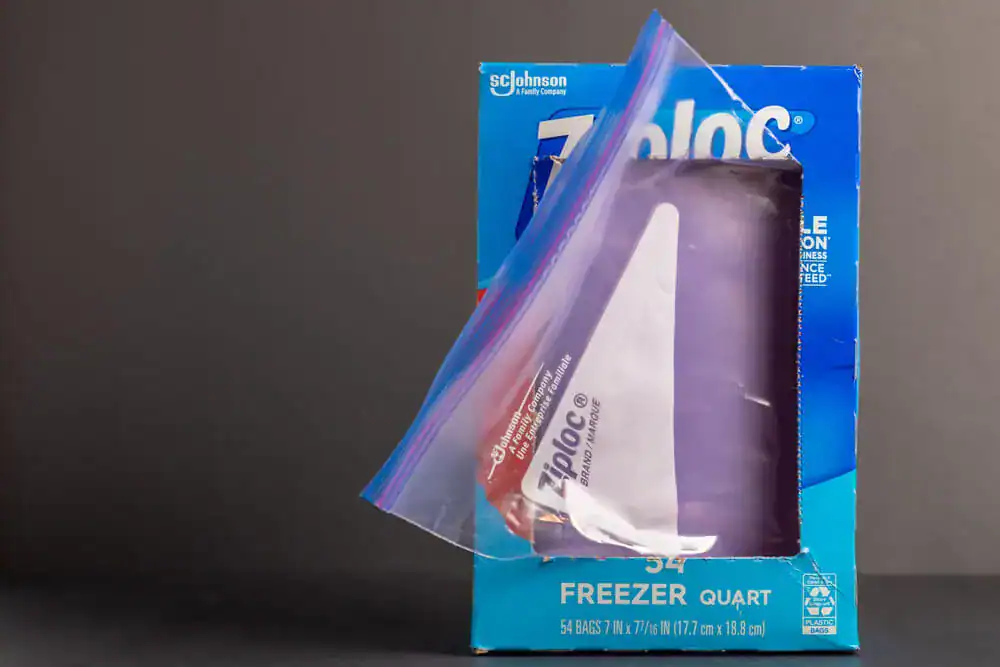
The Foundations of the Antitrust Litigation
The Google lawsuit 2025 focuses on two main areas: digital advertising and search engine defaults. The government alleges that Google has engaged in anti-competitive behavior to eliminate rivals and force publishers to use its proprietary ad tools. By controlling the entire “ad tech stack,” Google is accused of acting as both a player and the referee in the digital market. These claims are as significant as the consumer safety allegations found in the Ziploc bags lawsuit, both representing a push for greater corporate accountability.
Search Dominance and Exclusivity Agreements
A central pillar of the Google lawsuit 2025 involves the multi-billion-dollar agreements Google has with companies like Apple. The DOJ argues that by paying to be the default search engine on billions of devices, Google creates an insurmountable barrier for competitors. Google’s defense is that they provide a superior product that users choose freely. However, the courts are now deciding if these “defaults” constitute an illegal monopoly. This structural challenge is similar to the billing disputes found in the AT&T business billing lawsuit, where market dominance is allegedly used to the detriment of the customer.
Potential Remedies and the Future of Tech
If the courts rule against Google, we could see the forced sale of business units like Chrome or Android. Such a breakup hasn’t been seen in decades. As the legal proceedings continue into 2026, the precedents set here will redefine the digital world. Like the Nissan door defect lawsuit, this case proves that even the largest entities are not above legal scrutiny when consumer choice and safety are at stake.