Raleigh Nightlife Permit Lawsuit: Court Rulings and Noise Ordinance Shifts (2026)
The legal battle over how the City of Oak City manages its evening economy has reached a definitive conclusion. The Raleigh nightlife permit lawsuit, which pitted local hospitality entrepreneurs against municipal regulators, has fundamentally altered the city’s approach to “Turn Down the Sound” initiatives. As of March 2026, the fallout from this litigation has forced the Raleigh City Council to abandon its previous permitting structure in favor of a new, decibel-based enforcement model that took full effect on January 1, 2026. This shift marks a significant victory for business owners who argued that previous regulations were unconstitutionally vague and unfairly targeted downtown venues.
The Legal Challenge: ABC Preemption and Unlawful Fees
The core of the Raleigh nightlife permit lawsuit began when several prominent bar owners, led by Dan Lovenheim (owner of popular Glenwood South spots like Alchemy and Milk Bar), filed suit in Wake County Superior Court. The plaintiffs argued that the city’s 2024 “Nightlife Permit” was an illegal overreach of municipal power. Specifically, the lawsuit contended that the permit—which required businesses to pay a $500 fee and obtain special permission to serve alcohol after 11:00 PM—violated North Carolina’s Alcoholic Beverage Control (ABC) laws.
In a landmark ruling issued by Judge Holcombe III in late 2025, the court agreed with the business owners. The judge ruled that the nightlife permit was “unlawful, invalid, and void,” citing that the state’s uniform system for ABC regulation preempts local cities from adding their own restrictive alcohol-related permits. This decision has sent shockwaves through North Carolina municipal law, similar to the high-stakes corporate disputes seen in the Cedar Fair Six Flags merger lawsuit, where transparency and regulatory authority are central themes.
The Transition to the 2026 Noise Ordinance
Following the loss in court, Raleigh officials were forced to pivot. Instead of a “nightlife permit” based on hours of operation, the city transitioned to a city-wide noise ordinance that relies on scientific decibel measurements rather than the subjective “reasonable person” standard. This new framework, which became active on January 1, 2026, focuses strictly on the volume of amplified sound rather than the business’s permit status.
For businesses operating outside of the designated Glenwood South Hospitality District, a new “DECIBEL Permit” is now required for those wishing to exceed standard residential sound limits. This regulatory shift is part of a broader trend in 2026 where cities are attempting to balance urban growth with resident quality of life—a theme also explored in the migrant shelter hotel lawsuit, where community impact and municipal zoning are at the forefront of the legal debate.
Key Features of the New 2026 Regulations:
- Decibel Limits: Sound is now capped at specific decibel levels (typically 60dB during the day and 55dB at night) that vary by zoning district.
- Glenwood South Exception: Recognizing its status as an entertainment hub, businesses in this district are allowed higher sound limits for longer durations than residential-mixed-use areas.
- Escalating Fines: While the “permit” is gone, the penalties for noise violations remain steep. A third violation within 24 months can result in a $1,500 penalty and mandatory sound mitigation plans.
- Professional Enforcement: The city has hired professional sound engineers to ensure that police measurements are accurate and legally defensible in court.
The Role of the Sociable City Assessment
The resolution of the Raleigh nightlife permit lawsuit was heavily influenced by the “Sociable City Assessment” conducted by the Responsible Hospitality Institute. Presented to the Council in mid-2025, the report highlighted a “chasm of mistrust” between the city and the nightlife community. The recommendations from this study led to the creation of a civilian-led hospitality mediation process, intended to resolve noise complaints before they escalate into formal citations or further litigation.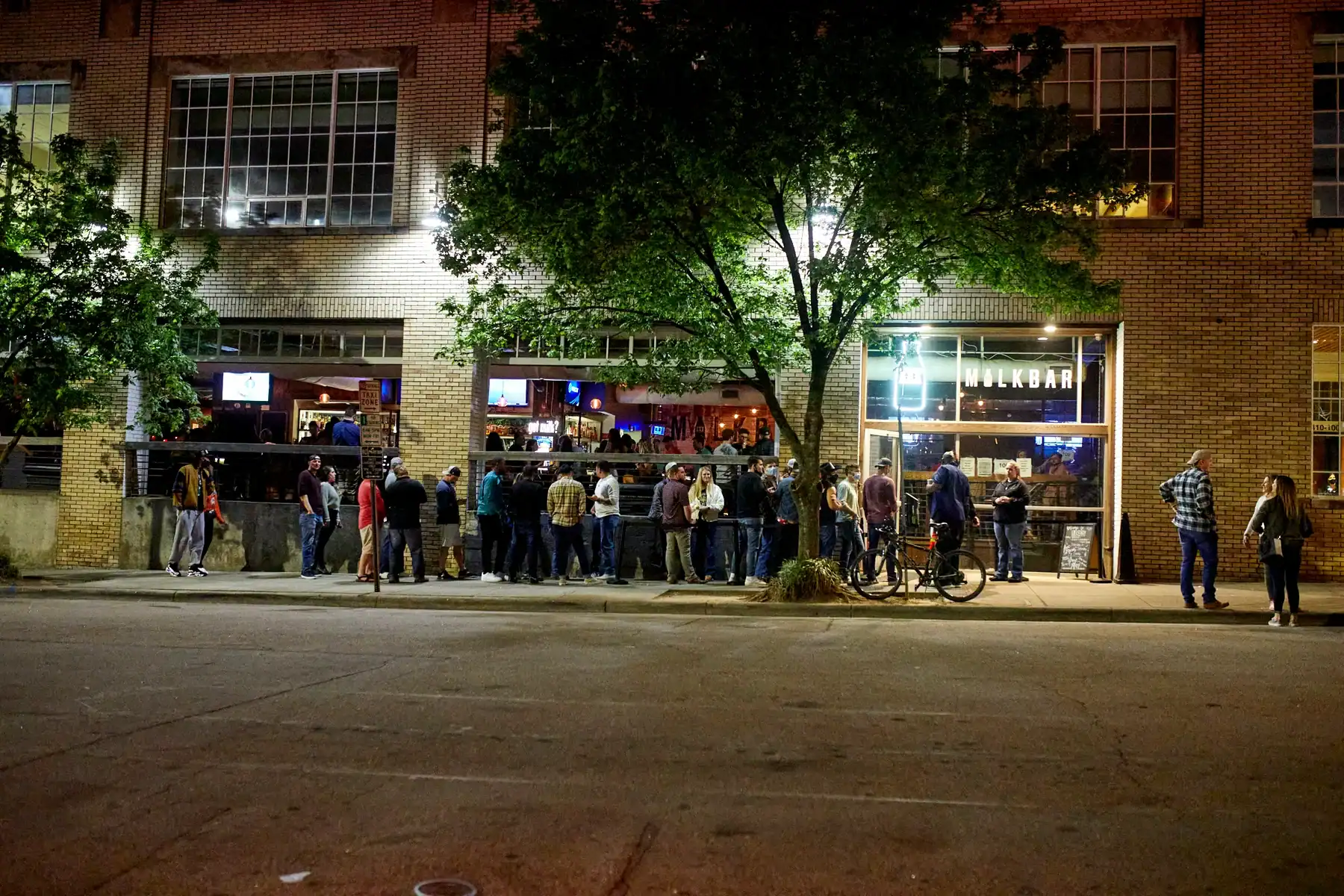
Impact on Local Business and Real Estate
With the legal cloud of the nightlife permit lifted, investors are returning to the Fayetteville Street and Glenwood South corridors. However, the requirement for “Sound Mitigation Plans” for new venues means that construction costs are rising. Potential bar owners must now include acoustic engineering in their initial site plans to qualify for amplified sound allowances. This focus on “built-in compliance” is becoming the standard for urban development in 2026.
Looking Ahead: The Precedent for North Carolina Cities
The Raleigh nightlife permit lawsuit serves as a cautionary tale for other North Carolina cities like Charlotte and Asheville. It reinforces the principle that while cities can regulate “noise,” they cannot use sound ordinances as a backdoor to regulate “alcohol sales” or “business hours” that are already governed by state ABC boards. As we move further into 2026, the success of Raleigh’s new decibel-based model will likely determine whether other municipalities follow suit or continue to face costly legal challenges from the hospitality sector.