ICE Detention Work Program Lawsuit: 2026 Supreme Court Ruling Blocks Private Prison Immunity
The multibillion-dollar private detention industry is facing a transformative legal crisis over its reliance on low-wage detainee labor. As of March 17, 2026, the ICE detention work program lawsuit landscape has been permanently altered by a unanimous U.S. Supreme Court decision. In The GEO Group, Inc. v. Menocal (decided February 25, 2026), the Court rejected the argument that private contractors are immune from forced labor lawsuits simply because they are performing “the sovereign’s work.” The ruling clears the way for a massive class-action trial in Colorado and provides a “judicial roadmap” for similar litigation in Washington, California, and Maryland, where thousands of detainees allege they were coerced into working for as little as $1 per day—or nothing at all.
The SCOTUS Decision: Defense vs. Immunity
The ICE detention work program lawsuit reached the Supreme Court after The GEO Group attempted to dismiss a 2014 class action involving its Aurora, Colorado, facility. The company argued it possessed “derivative sovereign immunity,” claiming that its labor policies were directed by its federal contract with ICE. However, Justice Elena Kagan, writing for a unanimous Court, clarified that the Yearsley doctrine provides a merits defense to liability, not an immunity from suit.
This means GEO Group cannot immediately appeal lower court rulings to stop a trial; they must instead face the “rigors and costs” of a full legal proceeding. This procedural defeat is a significant blow to the “contractor shield” defense, similar to the FBI mistaken raid Atlanta lawsuit, where federal agents were also stripped of absolute immunity for tactical errors. For ICE contractors, the ruling means their internal “Voluntary Work Programs” are now subject to state and federal human trafficking laws.
The “Dollar-a-Day” Exploitation Allegations
At the heart of the ICE detention work program lawsuit are two specific policies used at the Aurora facility and elsewhere:
- The Sanitation Policy: Plaintiffs allege they were forced to clean common areas (showers, toilets, and hallways) under threat of solitary confinement or loss of commissary privileges, with zero compensation.
- The Voluntary Work Program: Detainees who “volunteered” for kitchen or laundry duties were paid just $1 per day. Plaintiffs argue this pay is so low it creates “unjust enrichment” for the corporation, especially when compared to Colorado’s 2026 minimum wage of $16 per hour.
This focus on “predatory” economic systems mirrors the Roblox lawsuit addiction claims, where algorithmic and financial “loops” are alleged to exploit vulnerable populations for profit. In the ICE context, the suit argues that the $1 wage is so meager it forces detainees to work just to afford basic food to supplement substandard facility rations.
2026 Expansion: The $45 Billion “Warehouse” Initiative
The timing of the Supreme Court ruling coincides with an unprecedented expansion of the detention system. Under the 2025 “One Big Beautiful Bill Act,” ICE received $45 billion to “reengineer” detention, including the purchase of commercial warehouses to be converted into massive “soft-sided” jails. As these facilities open in early 2026, the ICE detention work program lawsuit precedents will dictate how they are staffed.
Attorneys General in states like Maryland and Washington are already using these labor claims to block new facilities. On March 10, 2026, the Maryland Attorney General filed a lawsuit to stop the conversion of a warehouse in Washington County, citing the “inhumane and lawless” conditions—including forced labor—observed at existing field offices. This “state-led pushback” is a trend we also see in the DHS Minnesota enforcement lawsuit, where local leaders are challenging federal detention standards.
Current Status of Major ICE Labor Suits (March 2026):
| Case / Location | Defendant | Status / Verdict |
|---|---|---|
| Menocal v. GEO Group (CO) | GEO Group | SCOTUS ruled trial must proceed; Discovery reopened. |
| State of WA v. GEO Group (WA) | GEO Group | $23.3 Million Verdict Upheld; Company must pay. |
| N’Diaye v. CoreCivic (KS) | CoreCivic | Injunction pending regarding Leavenworth permit. |
The 2026 “Human Trafficking” Argument
The most dangerous development for private prison firms is the court’s willingness to allow claims under the Trafficking Victims Protection Act (TVPA). By framing forced labor as a form of human trafficking, plaintiffs can seek treble damages and attorney fees. This “rebranding” of labor disputes is a high-stakes strategy similar to the Smokey Robinson sexual lawsuit, where plaintiffs are combining labor violations with more severe allegations of battery to maximize the pressure on the defendant.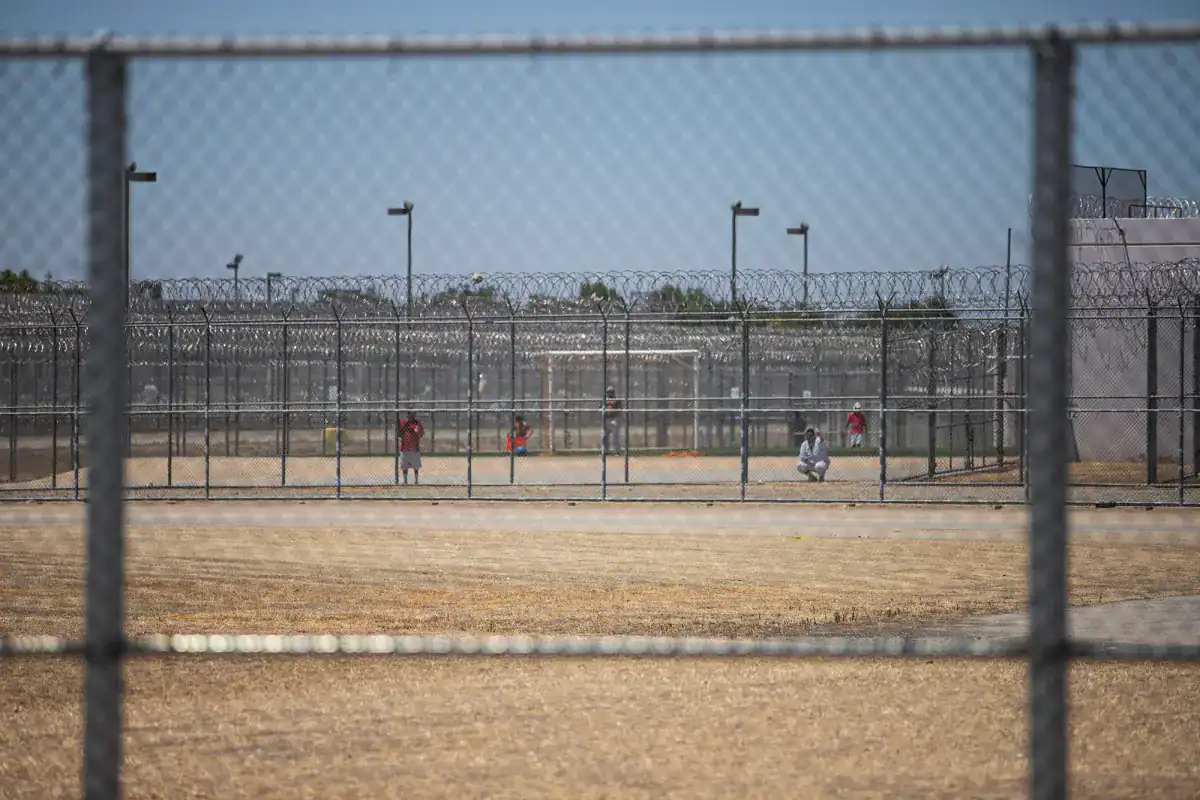
Conclusion: A Watershed Moment for Private Prisons
In conclusion, the ICE detention work program lawsuit of 2026 has stripped away the primary legal defense used by the private prison industry for decades. With the Supreme Court’s unanimous rejection of contractor immunity, companies like GEO Group and CoreCivic must now defend their “dollar-a-day” wages in front of juries. As ICE moves to rapidly expand its “warehouse” detention model through 2026, these labor rulings will serve as the primary hurdle for a system that many argue has long prioritized corporate profit over basic human rights.